

Restoring and prioritizing your health at home means building small daily habits that improve sleep, nutrition, movement, stress control, and routines—without needing a gym membership or expensive programs. Research from the World Health Organization shows that up to 80% of heart disease, stroke, and type 2 diabetes cases are preventable through lifestyle changes that can begin right at home.
What does it mean to restore and prioritize your health at home?
Restoring and prioritizing your health at home means creating consistent routines that improve physical energy, mental clarity, emotional stability, and long-term wellness using simple habits you can control daily.
Many people assume improving health requires drastic diets or complicated workout plans. In reality, most lasting health improvements begin with adjustments to sleep timing, hydration, nutrition, stress levels, and movement inside the home environment.
Modern routines often create hidden health risks:
- Long sitting hours
- Poor sleep cycles
- Ultra-processed meals
- High screen exposure
- Low daily movement
These habits slowly reduce energy, weaken immunity, and increase the risk of chronic disease. The good news: reversing these effects does not require drastic change. It requires consistency.
Why is focusing on health at home more effective than extreme lifestyle changes?
Health habits built at home are easier to maintain because they fit naturally into daily routines instead of relying on motivation spikes or temporary programs.
According to behavioral research from Stanford University, small habit-based lifestyle changes are significantly more sustainable than intensive short-term interventions.
Examples include:
- Preparing balanced meals instead of ordering takeout
- Walking indoors or around your neighborhood daily
- Reducing late-night screen exposure
- Maintaining consistent sleep timing
These simple adjustments compound over time and improve:
- Metabolic health
- Brain function
- Immune strength
- Stress resilience
- Energy stability
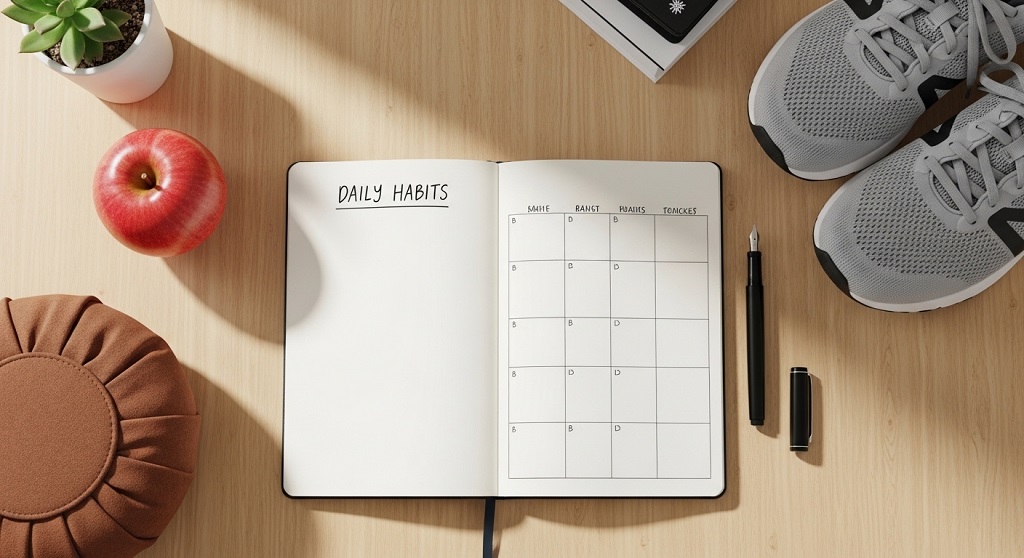
What are the most important daily habits to restore your health at home?
The most effective daily habits include improving sleep quality, staying hydrated, moving regularly, eating whole foods, managing stress, and limiting digital overload.
These six pillars create the foundation of home-based wellness.
How does sleep repair your body naturally?
Quality sleep restores hormones, repairs tissues, strengthens memory, and supports immune defense.
The CDC reports adults need 7–9 hours of sleep nightly for optimal function. Poor sleep increases risks of:
- Heart disease
- Obesity
- Depression
- Diabetes
Practical sleep improvements at home include:
- Keeping lights dim after sunset
- Avoiding screens 60 minutes before bed
- Maintaining a consistent sleep schedule
- Reducing caffeine after afternoon hours
How much water should you drink daily at home?
Most adults benefit from drinking 2–3 liters of water daily depending on climate, activity level, and body size.
Hydration supports:
- Brain clarity
- Joint movement
- Digestion
- Skin health
- Energy levels
Even mild dehydration can reduce productivity and increase fatigue.
What types of movement improve health without going to the gym?
Walking, stretching, mobility exercises, and bodyweight routines provide effective health benefits without equipment.
WHO guidelines recommend at least 150 minutes of moderate weekly activity.
Examples of simple movement routines at home:
- Morning stretching
- 10-minute walking breaks
- Squats and pushups
- Stair climbing
- Yoga sessions
What foods help restore your health at home naturally?
Whole foods such as vegetables, fruits, legumes, healthy fats, and protein-rich meals support energy balance and long-term disease prevention.
Nutrition directly influences inflammation levels, metabolism, and brain performance.
| Food Category | Health Benefit | Example Foods |
|---|---|---|
| Leafy vegetables | Support immunity | Spinach, kale |
| Healthy fats | Improve brain function | Olive oil, nuts |
| Lean proteins | Repair muscles | Eggs, lentils |
| Whole grains | Stabilize blood sugar | Oats, brown rice |
Replacing ultra-processed snacks with whole alternatives improves health within weeks.
How can you reduce stress naturally without leaving home?
Stress can be reduced through breathing exercises, journaling, mindfulness routines, and limiting digital overload.
Chronic stress increases cortisol levels and weakens immune responses.
Simple stress-reduction practices:
- 5-minute breathing exercises
- Evening journaling
- Short meditation sessions
- Quiet morning routines
- Reducing social media exposure
Harvard Health research shows mindfulness practices can reduce anxiety symptoms significantly when practiced consistently.
How does improving your home environment support better health?
A clean, well-lit, organized home environment improves sleep quality, productivity, and emotional stability.
Environmental health factors influence mood more than most people realize.
Helpful improvements include:
- Increasing natural sunlight exposure
- Decluttering workspaces
- Improving indoor air flow
- Adding plants indoors
- Creating screen-free zones
These changes support both mental clarity and physical comfort.
Can digital habits affect your health at home?
Yes, excessive screen time disrupts sleep cycles, increases stress levels, and reduces physical movement.
Blue light exposure delays melatonin release, making sleep harder.
Reducing digital overload helps:
- Improve sleep timing
- Increase focus
- Reduce anxiety
- Boost productivity
Simple digital boundaries include:
- No phones during meals
- No screens before bedtime
- Scheduled social media breaks
How long does it take to restore your health at home?
Most people notice improvements in energy and mood within 2–4 weeks of consistent healthy routines at home.
Timeline examples:
- Better sleep: 1 week
- Improved digestion: 2 weeks
- Energy increase: 3 weeks
- Habit stability: 6 weeks
Consistency matters more than intensity.
What simple morning routines help prioritize health at home?
A structured morning routine improves metabolism, mental focus, and emotional balance throughout the day.
Effective routines include:
- Hydration after waking
- Sunlight exposure
- Light stretching
- Protein-rich breakfast
- Short planning session
Morning habits shape daily decision-making patterns.

What evening routines improve recovery and long-term wellness?
Evening routines support hormone balance, sleep quality, and mental recovery.
Helpful habits include:
- Reducing screen exposure
- Preparing next-day tasks
- Reading instead of scrolling
- Consistent sleep timing
Night routines determine next-day productivity.
Centers for Disease Control and Prevention (.gov): Healthy Living Guide — Provides foundational authority on home-based wellness.
Conclusion: How can you successfully restore and prioritize your health at home this year?
You can restore and prioritize your health at home by focusing on sleep, nutrition, movement, stress control, hydration, and digital balance through small daily habits that compound over time.
Health improvement does not require dramatic change. It requires consistency with simple routines that support both body and mind.
Start with one habit today. Add another next week. Over time, these adjustments transform your energy, clarity, and resilience.
If you want lasting results this year, treat your home as your wellness foundation—and build routines that support you every day.
FAQ: Restore and Prioritize Your Health at Home
Can you improve your health without going to a gym?
Yes, walking, stretching, bodyweight exercises, and daily movement routines at home provide strong health benefits when done consistently.
What is the fastest way to improve health at home?
Improving sleep quality, hydration, and nutrition together creates the quickest noticeable health improvements.
How many habits should you change at once?
Start with one or two habits at a time to increase long-term consistency and avoid burnout.
Does stress affect physical health at home?
Yes, chronic stress increases inflammation, weakens immunity, and affects sleep quality.
Is drinking more water enough to improve energy levels?
Hydration improves energy significantly, but best results come when combined with sleep and nutrition improvements.
How can families improve health together at home?
Families can cook balanced meals together, take evening walks, reduce screen time, and create shared sleep routines.
Are small habits really effective long term?
Yes, research consistently shows small daily routines produce lasting health improvements over time.
Read More Also: How to Lower Cortisol Naturally: Beginner Stress Guide
Discover More: How to Use a Pillow for Edema Relief at Home


