

Waking up in the middle of the night feeling overheated and sticky is a frustrating experience that disrupts your sleep cycle and leaves you groggy the next morning. While many people immediately blame their mattress or the weather, the truth is that your sleep environment involves several interconnected factors, including bedding materials, room temperature, and even your choice of pillow. Humid climates present a particular challenge because moisture in the air makes it harder for your body to cool itself through evaporation. Understanding how materials like those used in the Supa Modern king pillow perform in humid climates can give you a clearer picture of what to look for when building a sleep setup that keeps you dry and comfortable all night long.
Quick Answer
To create a temperature-friendly sleep environment, focus on three core elements: keep your bedroom between 60–67°F (15–19°C), choose breathable and moisture-wicking bedding materials like cotton or bamboo, and select a pillow with cooling properties that don’t trap heat. In humid climates, avoid synthetic materials that retain moisture and heat. Instead, look for pillows with gel-infused foam, ventilated designs, or breathable covers that promote airflow and wick sweat away from your skin.
Key Takeaways
- Your bedroom temperature and humidity levels directly affect how well your body regulates heat during sleep.
- Breathable, moisture-wicking materials matter more than “cooling” marketing claims when choosing bedding and pillows.
- Humid environments require special consideration because evaporation-based cooling is less effective when air is already saturated with moisture.
- Pillows with ventilated designs, gel-infused layers, or breathable natural-fiber covers perform better in warm, humid conditions.
- Simple adjustments like using a fan, choosing lighter layers, and washing bedding frequently can significantly improve comfort without major expenses.
Why Your Sleep Environment Gets Too Warm
Your body naturally drops its core temperature by about 1–2 degrees Fahrenheit during sleep. This drop signals your brain that it’s time to rest. When your environment prevents this temperature decrease, you’re more likely to toss and turn, wake frequently, or experience poor sleep quality. The primary ways your body releases heat are through radiation (heat escaping from your skin) and evaporation (sweat). Both mechanisms depend on your surroundings being cooler and less humid than your body.
In humid climates, evaporation slows dramatically because the air already holds significant moisture. Your sweat can’t evaporate efficiently, leaving you feeling clammy and overheated. This is why simply turning on a fan or lowering the thermostat doesn’t always solve the problem. Your bedding and pillow choices become critical because they sit directly against your skin and can either trap or release heat and moisture.
Essential Components of a Temperature-Friendly Sleep Setup
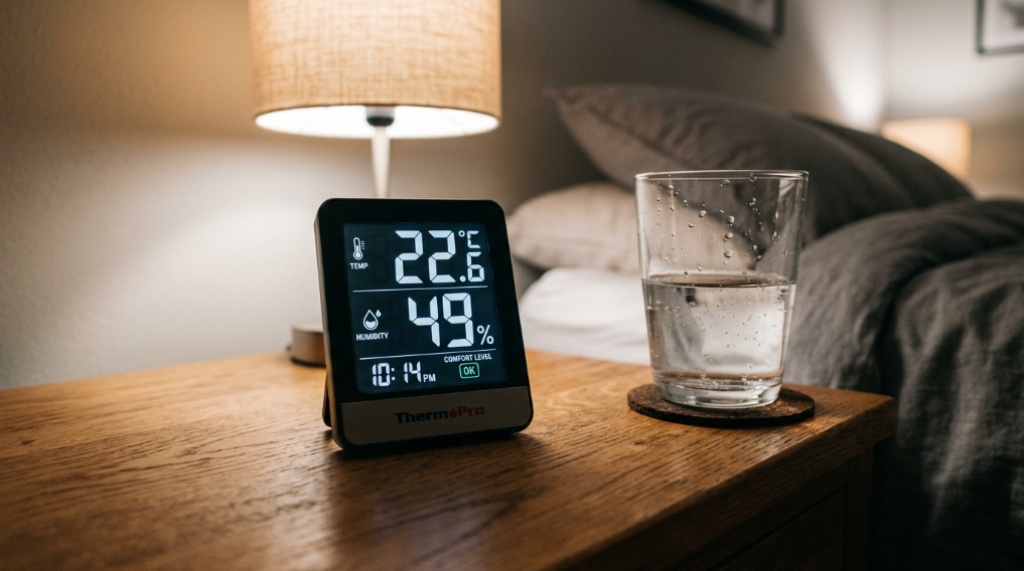
Creating a comfortable sleep environment requires addressing several layers of your setup. Each component plays a distinct role in how heat and moisture move away from your body.
1. Room Temperature and Airflow
The ideal sleep temperature for most adults falls between 60 and 67°F. However, the best setting depends on your personal preferences, age, and the season. Start with a thermostat setting in this range and adjust based on how you feel. Airflow is equally important. A ceiling fan or portable fan helps move air across your skin, which accelerates evaporation. Even a gentle breeze can make a room feel several degrees cooler without lowering the thermostat.
Consider using a dehumidifier in consistently humid climates. Keeping indoor relative humidity between 30–50% makes your body’s cooling system more effective. You can monitor humidity with a simple hygrometer, which costs very little and provides useful data for adjusting your environment, if you want to optimize your bedroom climate further, check out our guide on how humidity affects sleep and what you can do about it.
2. Bedding Materials
Your sheets, blankets, and mattress protector form the immediate layer between you and your mattress. Natural fibers like cotton, linen, and bamboo perform best in warm conditions because they’re breathable and absorb moisture. Cotton percale, specifically, has a crisp, cool feel and allows excellent airflow. Linen is even more breathable but has a rougher texture that some people find less comfortable.
Synthetic materials like polyester and microfiber tend to trap heat and moisture, making them poor choices for warm sleepers or humid climates. If you prefer synthetic blends for durability, look for moisture-wicking technologies designed for athletic wear. These fabrics pull sweat away from your skin and help it evaporate more quickly.
Your mattress itself can also contribute to heat retention. Memory foam is notorious for sleeping hot because it conforms tightly to your body and traps body heat. If you sleep on memory foam, a breathable mattress protector or a cooling mattress pad can help. Alternatively, consider latex or hybrid mattresses, which typically offer better airflow.
3. Pillow Selection
Pillows matter more than most people realize because your head and neck are highly sensitive to temperature. The material, cover, and internal structure all influence whether a pillow sleeps cool or hot. Memory foam pillows, while supportive, often retain heat. Gel-infused versions improve cooling somewhat, but the effect varies widely between products.
Latex pillows offer better breathability due to their open-cell structure, which allows air to circulate more freely. Down and down-alternative pillows are also breathable but can compress and retain heat if they’re too thick. Buckwheat pillows are an option for those who want maximum airflow, though they have a distinct feel and sound that isn’t for everyone.
When evaluating pillows for warm or humid conditions, pay attention to the cover material. A cotton or bamboo cover breathes better than polyester. Also, look for pillows with ventilated cores or perforated foam, which allow heat to escape rather than building up around your head.
For a detailed look at how a specific product handles these conditions, you can check how the Supa Modern king pillow performs in humid climates to understand what features make a difference in real-world use, if you want to optimize your bedroom climate further, check out our guide on how humidity affects sleep and what you can do about it.
Practical Strategies for Humid Climates
Humidity adds a layer of complexity to temperature management. Even with the right materials, high humidity can undermine your efforts. Here are strategies specifically designed for humid environments:
- Use a dehumidifier: Running a dehumidifier during the day and for an hour before bed can significantly improve nighttime comfort by reducing the moisture load in your bedroom.
- Choose moisture-wicking sleepwear: Lightweight, loose-fitting pajamas made from bamboo or specially treated synthetics help move sweat away from your skin.
- Wash bedding frequently: In humid climates, bedding absorbs more moisture and can develop mildew odors. Washing sheets and pillowcases weekly keeps them fresh and breathable.
- Consider a cooling pillowcase: A pillowcase made from cooling fabric or treated with phase-change materials can provide a noticeable temperature difference when you lay your head down.
- Air out your bedroom: Open windows in the evening if outdoor humidity is lower than indoor humidity. This simple step can reduce the moisture load in your room.
Common Mistakes That Make Sleep Environments Warmer
Many people unknowingly sabotage their sleep environment through small mistakes. Recognizing these can help you make better choices:
Using the wrong blanket: A heavy comforter designed for winter traps heat even when you’re sleeping in a cool room. Switch to a lightweight cotton blanket or a summer-weight duvet during warmer months.
Ignoring the mattress protector: Many mattress protectors are made from waterproof materials that also trap heat. Look for protectors labeled “breathable” or “cooling” and check that they don’t have a plastic backing that prevents airflow.
Choosing dark-colored bedding: Dark colors absorb more heat from your body and from the room. Light-colored bedding reflects heat and feels cooler to the touch.
Overlooking pillow loft: A thick pillow raises your head away from the mattress, which can help with airflow but may also cause neck strain if it’s too high. Find a balance between comfort and breathability.
Sleeping with electronics: Devices like phones, laptops, and TVs generate heat and can raise the temperature in your immediate sleeping area. Keep them away from your bed or turn them off before sleep.
Comparing Cooling Pillow Materials
If you’re shopping for a new pillow specifically to address heat issues, understanding the trade-offs between materials helps you make an informed choice.
| Material | Breathability | Moisture Management | Best For |
|---|---|---|---|
| Memory Foam | Low to moderate | Poor unless gel-infused | Pressure relief, contouring support |
| Latex | High | Good | Support with natural cooling |
| Down/Down-Alternative | Moderate | Good with cotton shell | Soft, moldable feel |
| Buckwheat | Excellent | Good | Maximum airflow, firm support |
| Gel-Infused Foam | Moderate | Moderate | Cooling without sacrificing foam feel |
This comparison highlights that no single material is perfect for everyone. Your choice should reflect your sleep position, firmness preference, and how much you tend to sweat at night.
Building Your Ideal Sleep Environment Step by Step
If you want to systematically improve your sleep temperature, follow this practical sequence:
- Measure your room conditions: Use a thermometer and hygrometer to understand your baseline temperature and humidity levels.
- Adjust the thermostat: Set your room temperature between 60–67°F and see how your body responds over several nights.
- Improve airflow: Add a fan or open a window if outdoor conditions are favorable.
- Evaluate your bedding: Replace synthetic sheets with breathable cotton or bamboo options.
- Assess your pillow: If your pillow feels warm to the touch or makes you sweat, consider a material with better airflow.
- Adjust your sleepwear: Switch to lightweight, moisture-wicking fabrics.
- Monitor results: Track how often you wake up and how you feel in the morning. Make incremental changes based on your observations.
Frequently Asked Questions
Does room temperature affect sleep quality more than bedding?
Both matter, but room temperature has a slightly larger impact because it affects your entire body’s ability to regulate heat. Bedding and pillows are important for local comfort, especially around your head and torso, but a room that’s too warm will overwhelm even the best cooling materials.
Can I use a cooling pillow in winter?
Yes. Cooling pillows don’t actively lower temperature; they simply allow heat to escape more effectively. In winter, your body naturally sleeps better in cooler conditions, so a breathable pillow remains comfortable. If you find it too cool, add a flannel or fleece pillowcase during cold months.
How often should I replace my pillow for optimal cooling?
Most pillows should be replaced every 1–2 years. Over time, pillows compress, collect dust mites, and lose their breathability. If you notice your pillow feeling warmer than it used to, that’s a sign the internal structure has broken down and airflow has decreased.
Is it better to sleep without a pillow in hot weather?
Sleeping without a pillow can improve airflow around your head, but it may cause neck and shoulder strain for side and back sleepers. A better approach is to use a thin, breathable pillow that provides support without trapping heat.
Do cooling pillowcases actually work?
Cooling pillowcases made from materials like bamboo, Tencel, or phase-change fabrics can provide a noticeable but temporary cooling effect. They help wick moisture and feel cool to the touch initially, but they don’t actively lower your body temperature. They work best when combined with breathable pillow materials.
Conclusion
Creating a temperature-friendly sleep environment doesn’t require expensive gadgets or drastic lifestyle changes. Start by addressing the fundamentals: room temperature, airflow, and bedding materials. Choose breathable natural fibers over synthetics, and pay attention to how your pillow interacts with your body’s heat and moisture. In humid climates, add a dehumidifier to your routine and select materials that actively wick sweat rather than trapping it. By making these adjustments systematically and observing how your body responds, you can significantly improve your sleep quality without overhauling your entire bedroom.


