

If you’re among the millions of people who wake up each morning dreading the sharp twinge in your shoulder or struggling to lift your arm without discomfort, you’re not alone. Shoulder pain affects approximately 18-26% of adults at any given time, making it one of the most common musculoskeletal complaints worldwide. The good news? You don’t have to live with chronic shoulder discomfort or rely solely on pain medications for relief.
Whether your shoulder pain stems from poor posture, repetitive strain, rotator cuff injuries, or general muscle tension, targeted exercises can provide significant relief and help prevent future issues. In this comprehensive guide, we’ll explore five proven exercises that physical therapists and healthcare professionals recommend for alleviating shoulder pain naturally and effectively.
Understanding Shoulder Pain: Common Causes and Impact
Before diving into the exercises, it’s crucial to understand what might be causing your shoulder discomfort. The shoulder is a complex joint system involving multiple muscles, tendons, ligaments, and bones working together to provide an incredible range of motion. However, this complexity also makes it vulnerable to various types of injuries and pain conditions.
Primary Causes of Shoulder Pain
Rotator Cuff Injuries represent one of the most frequent sources of shoulder pain. The rotator cuff consists of four muscles that stabilize the shoulder joint and enable arm movement. When these muscles become strained, torn, or inflamed, they can cause significant pain and limit mobility.
Poor Posture and Muscle Imbalances have become increasingly common in our digital age. Hours spent hunched over computers, smartphones, and tablets create forward head posture and rounded shoulders, leading to muscle tension and pain in the shoulder region.
Frozen Shoulder (Adhesive Capsulitis) affects millions of people, particularly those over 40. This condition causes progressive stiffness and pain that can last for months or even years without proper treatment.
Impingement Syndrome occurs when the shoulder blade puts pressure on the underlying soft tissues during arm movements, causing pain and inflammation that worsens with overhead activities.
Exercise 1: Pendulum Swings for Gentle Mobility
Pendulum swings serve as an excellent starting point for shoulder pain relief, particularly for those experiencing acute discomfort or limited range of motion. This gentle exercise helps reduce muscle tension while promoting blood circulation to the affected area.
How to Perform Pendulum Swings
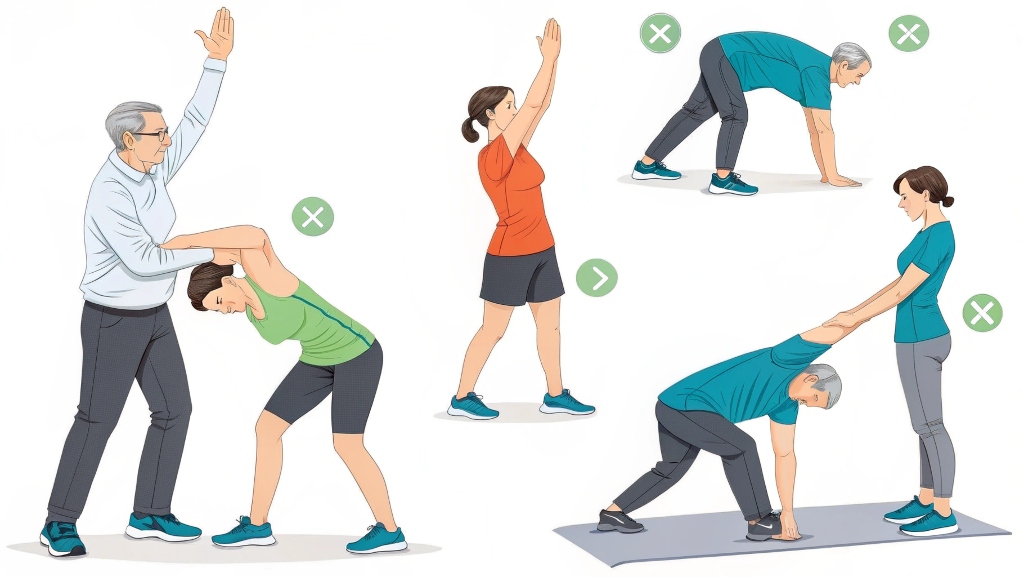
Begin by standing next to a sturdy table or chair for support. Lean forward slightly, placing your unaffected hand on the surface for balance. Allow your painful arm to hang naturally at your side, completely relaxed.
Create small, gentle circular movements with your hanging arm, letting gravity do most of the work. Start with clockwise circles for 30 seconds, then switch to counterclockwise motions. The key is to keep your shoulder muscles as relaxed as possible while allowing the weight of your arm to create the movement.
Gradually increase the size of the circles as your comfort level improves, but never force the movement or push through severe pain. This exercise should feel soothing, not aggravating.
Benefits and Frequency
Pendulum swings help decompress the shoulder joint, reduce muscle guarding, and promote gentle mobilization of stiff tissues. Perform this exercise 2-3 times daily, especially during acute pain episodes or as a warm-up before other shoulder exercises.
Exercise 2: Cross-Body Shoulder Stretch for Posterior Flexibility
The cross-body stretch targets the posterior deltoid and capsule, areas that commonly become tight and contribute to shoulder impingement and general discomfort. This stretch is particularly beneficial for individuals who spend long hours at desks or engage in repetitive forward-reaching activities.
Proper Technique for Cross-Body Stretching
Stand or sit with your spine in a neutral position. Bring your affected arm across your body at chest height, as if you’re giving yourself a hug. Use your opposite hand to gently grasp your upper arm (not the wrist) and apply light pressure to increase the stretch.
You should feel a gentle pulling sensation in the back and outer portion of your shoulder. Hold this position for 15-30 seconds while breathing deeply and allowing your muscles to relax into the stretch.
Maximizing Effectiveness
Avoid pulling too aggressively or bouncing during the stretch, as this can trigger protective muscle contractions and potentially worsen pain. Instead, focus on gradual, sustained pressure while maintaining steady breathing. Repeat 3-4 times on each side, holding each stretch for at least 15 seconds.
Exercise 3: Wall Angels for Posture and Strength
Wall angels combine stretching and strengthening elements, making them incredibly effective for addressing postural-related shoulder pain. This exercise targets the muscles responsible for proper shoulder blade positioning while improving thoracic spine mobility.
Step-by-Step Wall Angel Instructions
Position yourself with your back flat against a wall, feet about 6 inches away from the base. Place your arms against the wall in a “goal post” position, with your elbows bent at 90 degrees and your upper arms parallel to the floor.
Slowly slide your arms up the wall while maintaining contact between your arms, back, and the wall surface. Move only as high as you can while keeping all contact points against the wall. Then, slowly lower your arms back to the starting position.
Progressive Modifications
If maintaining wall contact proves challenging initially, don’t worry – this indicates areas that need improvement. Start with smaller movements and gradually increase your range of motion as your flexibility and strength improve. You can also perform this exercise lying on the floor if wall contact is too difficult.
Perform 10-15 repetitions, 2-3 times daily, focusing on slow, controlled movements rather than speed or range of motion.
Exercise 4: External Rotation with Resistance Band
External rotation exercises specifically target the rotator cuff muscles, particularly the infraspinatus and teres minor. These muscles are crucial for shoulder stability and are often weak in individuals with shoulder pain, especially those with impingement syndrome.
Equipment and Setup
You’ll need a resistance band or cable system for this exercise. If you don’t have professional equipment, a towel or even a belt can provide light resistance for beginners.
Stand or sit with your elbow bent at 90 degrees, keeping your upper arm close to your side. Hold one end of the resistance band while anchoring the other end at elbow height.
Execution and Form Cues
Slowly rotate your forearm away from your body while keeping your elbow stationary against your side. Focus on squeezing your shoulder blade toward your spine as you perform the movement. Control the return to the starting position, resisting the pull of the band.
The movement should be smooth and controlled, taking 2-3 seconds in each direction. Start with light resistance and gradually increase as your strength improves.
Sets and Progression
Begin with 1-2 sets of 10-12 repetitions, performed daily. As your strength improves, you can increase to 15-20 repetitions or use stronger resistance. This exercise is particularly important for preventing future shoulder injuries and maintaining long-term shoulder health.
Exercise 5: Doorway Chest Stretch for Anterior Flexibility
Tight chest muscles (pectoralis major and minor) contribute significantly to rounded shoulder posture and can exacerbate shoulder pain. The doorway stretch effectively targets these muscles while being simple enough to perform anywhere.
Doorway Stretch Technique
Stand in a doorway with your affected arm raised and placed against the door frame. Your elbow should be slightly below shoulder height, creating roughly a 90-degree angle at your elbow joint.
Step forward with the leg on the same side as your raised arm, allowing your body weight to create a gentle stretch across your chest and anterior shoulder. You should feel the stretch along the front of your chest and shoulder.
Variations and Adjustments
For a more comprehensive stretch, try positioning your arm at different heights – higher for the upper chest fibers and lower for the lower chest muscles. You can also perform this stretch with both arms simultaneously by placing both hands on either side of the doorway.
Hold each stretch for 30-60 seconds, breathing deeply and allowing your muscles to gradually relax. Repeat 2-3 times throughout the day, especially after prolonged periods of sitting or computer work.
Creating Your Shoulder Pain Relief Routine
Daily Exercise Schedule
For optimal results, incorporate these exercises into a daily routine. Begin with pendulum swings as a gentle warm-up, followed by the stretching exercises (cross-body stretch and doorway stretch). Conclude with the strengthening exercises (wall angels and external rotation) when your muscles are warm and more pliable.
Progression and Modification Guidelines
Start slowly and listen to your body. Mild discomfort during stretching is normal, but sharp or severe pain indicates you should modify the exercise or consult a healthcare professional. As your symptoms improve, gradually increase the frequency, duration, or intensity of the exercises.
When to Seek Professional Help
While these exercises are generally safe and effective for common shoulder pain, certain symptoms warrant professional evaluation. Seek medical attention if you experience severe pain, numbness, tingling, weakness, or if your symptoms worsen despite consistent exercise.
Read More Also: Calisthenics Back Workout
Long-Term Shoulder Health and Prevention
Lifestyle Modifications
Beyond exercises, maintaining good shoulder health requires attention to daily habits. Improve your workstation ergonomics, take regular breaks from repetitive activities, and maintain good posture throughout the day. Consider incorporating stress management techniques, as tension and stress can contribute to muscle tightness and pain.
Complementary Approaches
While exercise forms the foundation of shoulder pain management, other approaches can enhance your results. These may include heat and cold therapy, gentle massage, adequate sleep, and maintaining overall physical fitness through regular cardiovascular exercise and strength training.
Read More Also: The Power of Eccentric Squats
Frequently Asked Questions
How long does it take to see results from shoulder exercises?
Most people begin experiencing some relief within 1-2 weeks of consistent daily exercise. However, significant improvement typically occurs over 4-6 weeks of regular practice. Chronic conditions may require several months of consistent effort to achieve optimal results.
Can I perform these exercises if I have severe shoulder pain?
If you’re experiencing severe pain, start with the gentlest exercise (pendulum swings) and consult with a healthcare provider before beginning a full exercise program. Never push through severe pain, as this can worsen your condition.
How often should I perform these exercises?
For best results, perform the stretching exercises (pendulum swings, cross-body stretch, doorway stretch) 2-3 times daily. Strengthening exercises (wall angels, external rotation) can be performed once daily, allowing rest days if you experience increased soreness.
What if my shoulder pain gets worse with exercise?
Mild soreness is normal when beginning an exercise program, but worsening pain indicates you may be doing too much too soon. Reduce the intensity or frequency of exercises, and consider consulting a physical therapist or healthcare provider for personalized guidance.
Are there any warning signs that indicate I should stop exercising?
Stop exercising immediately if you experience sharp shooting pain, numbness, tingling, significant swelling, or if your arm becomes weak or difficult to control. These symptoms may indicate a more serious condition requiring professional evaluation.
Can poor posture really cause shoulder pain?
Yes, poor posture is one of the leading causes of shoulder pain in modern society. Forward head posture and rounded shoulders create muscle imbalances that can lead to impingement, tension, and chronic pain. Addressing postural issues through exercises and ergonomic improvements is crucial for long-term relief.
Take Action for Pain-Free Shoulders Today
Don’t let shoulder pain control your life any longer. These five evidence-based exercises offer a natural, effective approach to managing shoulder discomfort and preventing future problems. Start with just 10-15 minutes daily, and you’ll be amazed at how quickly your shoulders begin to feel better.
Remember, consistency is key to success. Begin today with the gentle pendulum swings, and gradually incorporate the other exercises as your comfort level improves. Your shoulders – and your overall quality of life – will thank you for taking this important step toward better health.
Ready to begin your journey to pain-free shoulders? Start with the first exercise today, and share your progress with friends and family who might also benefit from these natural pain relief strategies. For more health and wellness tips, subscribe to our newsletter and never miss an update on living your best, pain-free life.


