

Calisthenics back workouts offer a powerful way to strengthen your back using just your body weight. As someone who struggled with lower back pain from long desk hours, I discovered the freedom of calisthenics. These exercises, like pull-ups and inverted rows, transformed my posture and strength. This article explores how to build a strong back with bodyweight exercises, using tools like pull-up bars or household furniture. We’ll dive into effective movements, proper techniques, and tips to avoid mistakes, ensuring you get the most from your calisthenics back workout. Whether you’re a beginner or seasoned athlete, this guide will educate, demonstrate, and fascinate you with practical strategies for back strength.
Why Calisthenics Back Workouts Are Effective
Calisthenics back workouts target key muscles like the latissimus dorsi, erector spinae, and posterior deltoids. These exercises rely on body weight, making them accessible without gym equipment. Movements like Australian rows and back bridges engage the posterior chain, improving core stability and spinal health. According to a 2019 study by the Journal of Strength and Conditioning Research, bodyweight exercises can enhance muscle strength comparably to weighted routines when done with proper form (https://pubmed.ncbi.nlm.nih.gov/30844992/).
I started with simple inverted rows using a sturdy table at home. Over weeks, my upper back felt stronger, and my posture improved. Calisthenics is versatile, allowing progressions like weighted pull-ups or front lever rows for advanced athletes. This adaptability makes it ideal for all fitness levels, building lean muscle and relative strength without expensive gear.
Essential Calisthenics Back Exercises to Master
A solid calisthenics back workout includes exercises targeting different back muscles. Here are key movements to include:
- Australian Row: Lie under a low bar or table, pulling your chest upward. This strengthens lats and upper back muscles.
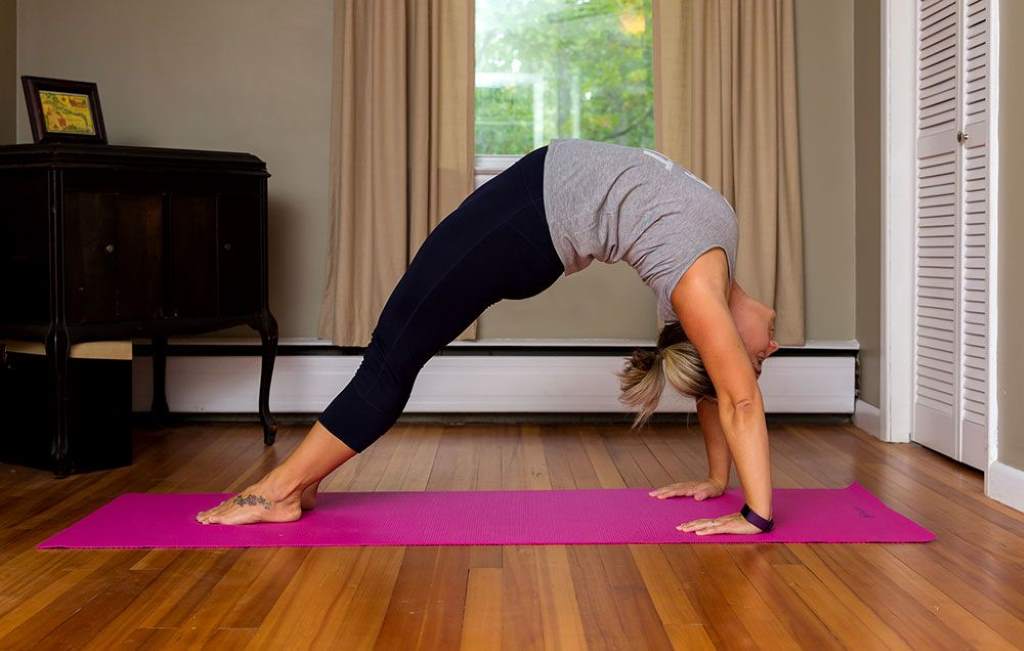
- Back Bridge: Lie on your back, knees bent, and lift your hips. It targets the lower back and gluteus maximus.
- Scapular Squeeze: Sit or stand, pulling shoulder blades together. This improves thoracic spine mobility and posture.
- Wall Angels: Stand against a wall, moving arms in a “Y” shape. It enhances upper back mobility.
Each exercise can be modified. For example, I used a door frame for pull-ups when I couldn’t afford a pull-up bar. Start with easier variations, like horizontal pull-ups, and progress to harder ones like front lever rows. Consistency is key to seeing results.
Equipment Options for Home Workouts
You don’t need a gym for a calisthenics back workout. Household items or affordable tools work well. A pull-up bar or gymnastic rings can elevate your routine, targeting lat muscles and posterior deltoids. Resistance bands or TRX bands add variety, mimicking movements like lat pulldowns. Yoga blocks or a Swiss ball can support exercises like back bridges or Swiss ball pikes for core stability.
When I started, I used a sturdy broomstick wedged between chairs for rows. It was effective and cost nothing. If you invest, a home pull-up bar (under $30) or resistance bands are great options. These tools make calisthenics accessible, ensuring you can train anywhere while building muscle strength.
Common Mistakes to Avoid in Calisthenics
Mistakes in calisthenics back workouts can hinder progress or cause injury. Here are pitfalls to watch for:
- Poor Form: Slouching during rows weakens muscle engagement. Keep your body straight.
- Overtraining: Doing too many reps strains the lower back. Rest is crucial.
- Ignoring Warm-Ups: Skipping cat-cow stretches or wall slides risks injury.
- Neglecting Progression: Sticking to easy moves like plank slide outs stalls growth.
I once overdid static holds, causing lower back soreness. Scaling back and focusing on form fixed it. Always prioritize technique over quantity. Gradually increase difficulty with row progressions or weighted pull exercises to ensure safe muscle growth.
Building a Balanced Calisthenics Routine
A calisthenics back workout should balance strength, mobility, and recovery. Include exercises like deadbug or plank with leg lift for core stability. Pair back-focused moves with pike push-ups or wall climbers to engage the whole body. A sample routine could be:
- Warm-up: Cat-cow stretch, wall angels (5 minutes).
- Main Workout: Australian rows (3 sets of 10), back bridge (3 sets of 12), scapular squeeze (2 sets of 15).
- Cool-down: 90/90 stretch, cobra pose (5 minutes).
This structure targets the thoracic spine, lats, and spinal extensors. I found that adding glute bridges enhanced my posterior chain strength. Aim for 2-3 sessions weekly, adjusting intensity based on your training experience.
Progressing with Advanced Calisthenics Moves
Once you master basics, try advanced moves like front lever rows or rope climbs. These demand body control and relative strength. For example, a front lever row requires holding your body parallel to the ground while pulling up, engaging the latissimus dorsi intensely. Weighted pull-ups or straight arm pulldowns with resistance bands also boost muscle hypertrophy.
Transitioning to these took me months of practice with high parallettes. Start with easier variations, like tucked front levers, and progress slowly. A 2021 study from Sports Medicine found progressive overload in calisthenics significantly improves strength (https://link.springer.com/article/10.1007/s40279-021-01489-0). Patience and proper technique prevent injury while building power.
Tips for Maximizing Your Calisthenics Back Workout
To get the most from your calisthenics back workout, follow these tips:
- Focus on Form: Engage back muscles fully during rows or pull-ups.
- Use Progressions: Start with bent-over rows, then try inverted rows.
- Incorporate Mobility: Add thoracic spine mobility exercises like half locust.
- Rest Adequately: Allow 48 hours between intense sessions.
- Track Progress: Note reps and difficulty to ensure muscle growth.
I tracked my pull-up reps in a notebook, which kept me motivated. Mixing in suspension training straps or a Roman chair can add variety. Stay consistent, and you’ll see improvements in back strength and posture.
Conclusion: Transform Your Back with Calisthenics
Calisthenics back workouts are a game-changer for building a strong, healthy back without gym equipment. From Australian rows to back bridges, these exercises target the lower back, lats, and posterior chain effectively. My journey with calisthenics taught me that simple tools like a door frame or resistance bands can yield impressive results. By focusing on form, progressing wisely, and incorporating mobility, you can achieve muscle strength and core stability. Try these workouts and share your progress in the comments below! Your back will thank you.
FAQs
What is a calisthenics back workout?
It’s a bodyweight exercise routine targeting back muscles like lats and erector spinae.
Can I do calisthenics without equipment?
Yes, use household furniture or bodyweight moves like back bridges.
How often should I do a calisthenics back workout?
Aim for 2-3 sessions weekly, with rest days for recovery.
Are calisthenics back workouts safe for beginners?
Yes, start with easier moves like wall angels and focus on form.
What muscles does a calisthenics back workout target?
It strengthens latissimus dorsi, posterior deltoids, and spinal extensors.


