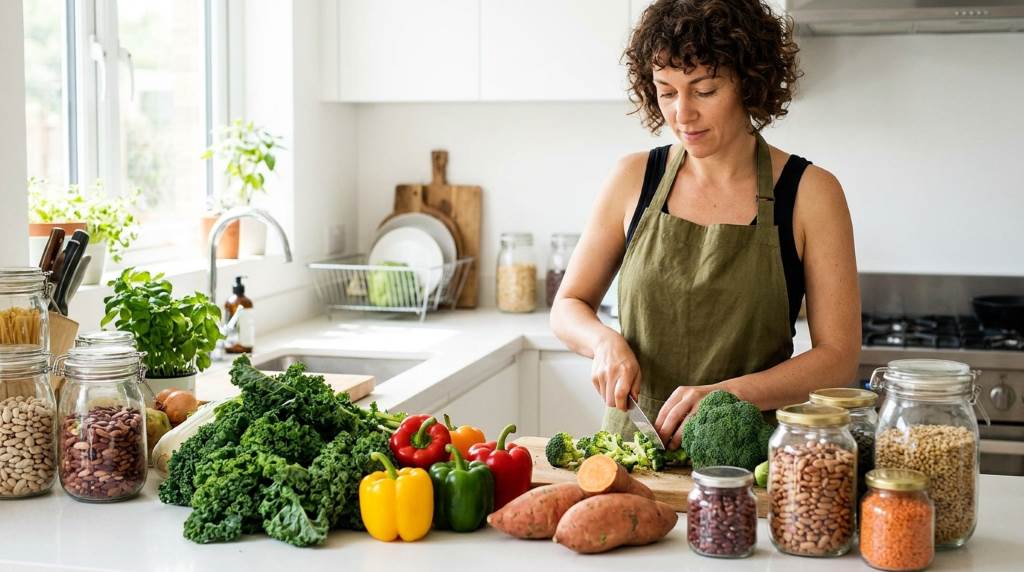
The 80/20 rule for vegans offers a flexible way to enjoy a healthy plant based lifestyle without chasing perfection. Many people follow strict eating plans at first, yet they often struggle to maintain them over time. According to the Centers for Disease Control and Prevention, only a small percentage of adults meet recommended daily fruit and vegetable intake goals. Meanwhile, nutrition experts continue encouraging balanced eating habits because consistency usually delivers better long term health outcomes.
Understanding the 80/20 Rule for Vegans
The 80/20 rule for vegans means eating nutritious whole plant foods about eighty percent of the time. The remaining twenty percent allows room for treats, convenience foods, or favorite vegan comfort meals. This flexible mindset supports long term success while reducing unnecessary pressure.
Many people confuse flexibility with unhealthy eating, yet the rule encourages mindful choices instead. Healthy routines become easier when realistic expectations replace strict food rules. Likewise, balanced habits often improve motivation throughout the year.
Overall wellness extends beyond food because daily comfort also supports healthier routines. Simple lifestyle practices, including how to use pillow techniques for better recovery, can complement nutritious eating habits. Together, these choices help create a more sustainable lifestyle.
Why the 80/20 Rule Works So Well
Strict diets often create guilt after small mistakes because they encourage all or nothing thinking. However, the 80/20 rule removes unnecessary pressure while keeping healthy habits the main priority. Therefore, many people remain committed for longer periods.
Flexible eating also supports social events because occasional indulgences fit naturally into the overall plan. Family dinners, holidays, and celebrations become easier without abandoning personal goals. As a result, emotional stress around food often decreases.
Research consistently suggests sustainable eating habits outperform short lived restrictive diets for long term success. Healthy routines become automatic through repetition instead of constant self control. Consequently, progress feels enjoyable instead of exhausting.
What Counts as the Healthy Eighty Percent?
Whole Plant Foods
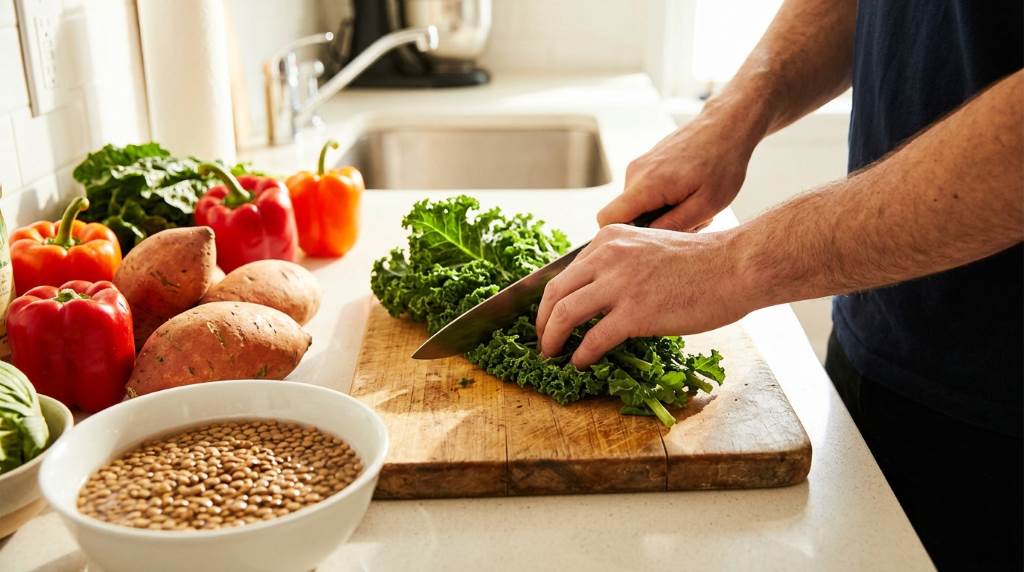
The majority of meals should include minimally processed plant based ingredients with strong nutritional value. Fresh vegetables, fruits, legumes, whole grains, nuts, and seeds provide essential nutrients every day. These foods naturally support energy, digestion, and overall wellness.
- Leafy green vegetables
- Beans and lentils
- Brown rice and oats
- Fresh fruits
- Nuts and seeds
- Tofu and tempeh
Balanced meals become even more effective when paired with regular movement and consistent physical activity. Helpful resources about best bike trainer mats can support comfortable home exercise sessions. Combined habits strengthen both nutrition and fitness goals.
Smart Meal Planning
Planning meals before shopping reduces unhealthy purchases and saves valuable time during busy weeks. Preparing ingredients in advance also makes nutritious meals easier to assemble. Consequently, healthy decisions require less daily effort.
Simple meal preparation does not require expensive ingredients or complicated cooking methods. Instead, focus on colorful vegetables, protein rich foods, and satisfying whole grains. This approach creates balanced meals without unnecessary stress.
What Fits Into the Twenty Percent?
The remaining twenty percent allows flexibility without replacing nutritious everyday meals. Vegan desserts, frozen meals, restaurant foods, and special treats usually fit this category. Moderation remains the key principle behind every choice.
Enjoying favorite foods occasionally helps reduce cravings and emotional eating. People often avoid binge eating because forbidden foods lose their powerful attraction. Therefore, balance becomes easier to maintain over time.
Healthy living also includes regular movement because nutrition alone cannot support every wellness goal. Practical advice about stay fit and healthy offers useful ideas for active daily routines. Together, exercise and balanced eating create lasting benefits.
Common Foods for an 80/20 Vegan Lifestyle
Eighty Percent Choices
- Fresh vegetables
- Seasonal fruits
- Whole grain bread
- Quinoa
- Lentils
- Black beans
- Chickpeas
- Tofu
- Tempeh
- Natural peanut butter
Twenty Percent Choices
- Vegan cookies
- Plant based ice cream
- French fries
- Vegan pizza
- Sweetened beverages
- Packaged vegan snacks
- Restaurant desserts
- Processed vegan burgers
Benefits of Following the 80/20 Rule
Better Long Term Consistency
Consistency produces stronger results than short periods of perfection because habits grow through repetition. Flexible eating encourages steady progress instead of frequent setbacks. Therefore, healthy routines become easier to maintain.
Lower Stress Around Food
Many people experience anxiety when every meal requires perfect choices. The 80/20 approach removes unnecessary guilt after occasional indulgences. Consequently, eating becomes more enjoyable and less emotionally demanding.
Improved Nutrient Intake
Whole plant foods naturally supply vitamins, minerals, antioxidants, and dietary fiber throughout the day. These nutrients support digestion, heart health, immune function, and overall wellness. Balanced nutrition also improves daily energy levels.
Greater Social Freedom
Friends and family often gather around food during important celebrations throughout the year. Flexible eating allows enjoyable participation without abandoning personal health goals. As a result, social experiences remain positive.
Potential Mistakes to Avoid
Some people misunderstand the rule by eating unhealthy foods every day without reasonable limits. The twenty percent should complement healthy eating instead of replacing it. Balance remains the central principle.
Another common mistake involves ignoring portion sizes because vegan treats still contain calories and added sugar. Mindful eating supports healthier decisions without eliminating enjoyable foods. Small servings often satisfy cravings effectively.
Skipping protein rich foods also creates unnecessary nutritional gaps within plant based diets. Include beans, tofu, lentils, and fortified foods regularly throughout the week. This habit supports muscle maintenance and daily energy.
How to Start Using the 80/20 Rule Today
Begin by reviewing your weekly meals instead of changing everything overnight. Replace highly processed foods with whole plant ingredients whenever possible. Gradual improvements usually last much longer.
Create simple meal plans before grocery shopping because preparation reduces unhealthy impulse purchases. Stock nutritious snacks where they remain easy to reach every day. This strategy supports consistent decision making.
Track progress through habits instead of chasing perfect numbers or unrealistic expectations. Celebrate small improvements because lasting success grows through consistent action. Positive reinforcement strengthens healthy routines.
Who Can Benefit Most From This Approach?
New vegans often appreciate flexible guidelines because dramatic dietary changes can feel overwhelming. The 80/20 rule creates realistic expectations during the transition period. Confidence grows naturally through daily practice.
Busy professionals also benefit because occasional convenience foods fit comfortably within balanced eating habits. Parents, students, and travelers frequently use this approach for greater flexibility. Sustainable routines work well across different lifestyles.
Even experienced vegans may enjoy the mental freedom this balanced philosophy provides. Healthy eating becomes a lifelong journey instead of a strict competition. That perspective encourages lasting success.
Conclusion
The 80/20 rule for vegans promotes balance, flexibility, and realistic long term success without sacrificing healthy nutrition. Most meals should feature nourishing whole plant foods while occasional treats remain part of normal life. This practical approach supports physical health and emotional wellbeing together.
Start applying the 80/20 rule today by making one healthier choice at every meal. Small improvements build powerful lifelong habits when repeated consistently. Share this guide with others seeking a practical vegan lifestyle.
Frequently Asked Questions
What is the 80/20 rule for vegans?
It means eating nutritious whole plant foods about eighty percent of the time while allowing moderate flexibility for treats.
Can beginners follow the 80/20 vegan rule?
Yes, beginners often find this flexible approach easier to maintain than strict eating plans.
Does the twenty percent include processed vegan foods?
Yes, processed vegan foods can fit occasionally when the majority of meals remain nutritious.
Will the 80/20 rule help with weight management?
It may support healthy weight management when combined with balanced portions and regular physical activity.
Is the 80/20 rule suitable for long term vegan living?
Yes, many people use it successfully because flexibility encourages sustainable healthy habits.