

Want to supercharge your workouts? Heart rate training zones hold the key. Zone 2 and Zone 3 training spark debates among runners, cyclists, and fitness buffs. Each zone offers unique benefits. But which one suits your goals? This article breaks down Zone 2 vs Zone 3 training. You’ll learn how to use heart rate zones, boost aerobic capacity, and hit your fitness targets. Ready to train smarter? Let’s dive in.
What Are Heart Rate Training Zones?
Heart rate training zones guide workout intensity. They’re based on your maximum heart rate. You calculate this by subtracting your age from 220. For example, a 30-year-old’s max heart rate is about 190 beats per minute (bpm). Zones range from 1 to 5. Each targets different fitness goals. Zone 2 and Zone 3 are popular for endurance and performance. They improve aerobic base and muscular endurance.
Why Heart Rate Zones Matter
Using heart rate zones optimizes training effort. They prevent overtraining. They ensure you work at the right intensity. Fitness trackers make monitoring easy. Knowing your zones helps you train efficiently. You’ll avoid burnout and see faster results.
Zone 2 Training: Building Your Aerobic Foundation
Zone 2 training sits at 60–70% of your maximum heart rate. For a 30-year-old, that’s 114–133 bpm. It’s often called “conversational pace.” You can talk comfortably while exercising. This zone builds aerobic endurance. It strengthens your aerobic system. It’s ideal for long runs, cycling, or steady-state cardio.
Benefits of Zone 2 Training
Zone 2 training boosts aerobic capacity. It improves fat-burning efficiency. Your body learns to use oxygen better. This enhances stamina for marathons or half marathons. Zone 2 also reduces injury risk. It’s less stressful on muscles and joints. You can train longer without fatigue. Studies show Zone 2 improves lactate threshold. This delays muscle fatigue during intense efforts.
Who Should Use Zone 2 Training?
Zone 2 suits beginners and seasoned athletes. Runners building an aerobic base love it. Cyclists aiming for long-distance endurance benefit too. It’s great for winter training. You can maintain fitness without pushing too hard. Zone 2 is also key for polarized training. This method emphasizes low-intensity work for 80% of sessions.
How to Train in Zone 2
Use a fitness tracker to monitor heart rate. Stay within 60–70% of your max. For a 30-year-old, keep it between 114–133 bpm. Aim for 45–90-minute sessions. Focus on steady effort. Long runs or bike rides work well. Keep your pace conversational. You should feel challenged but not breathless.
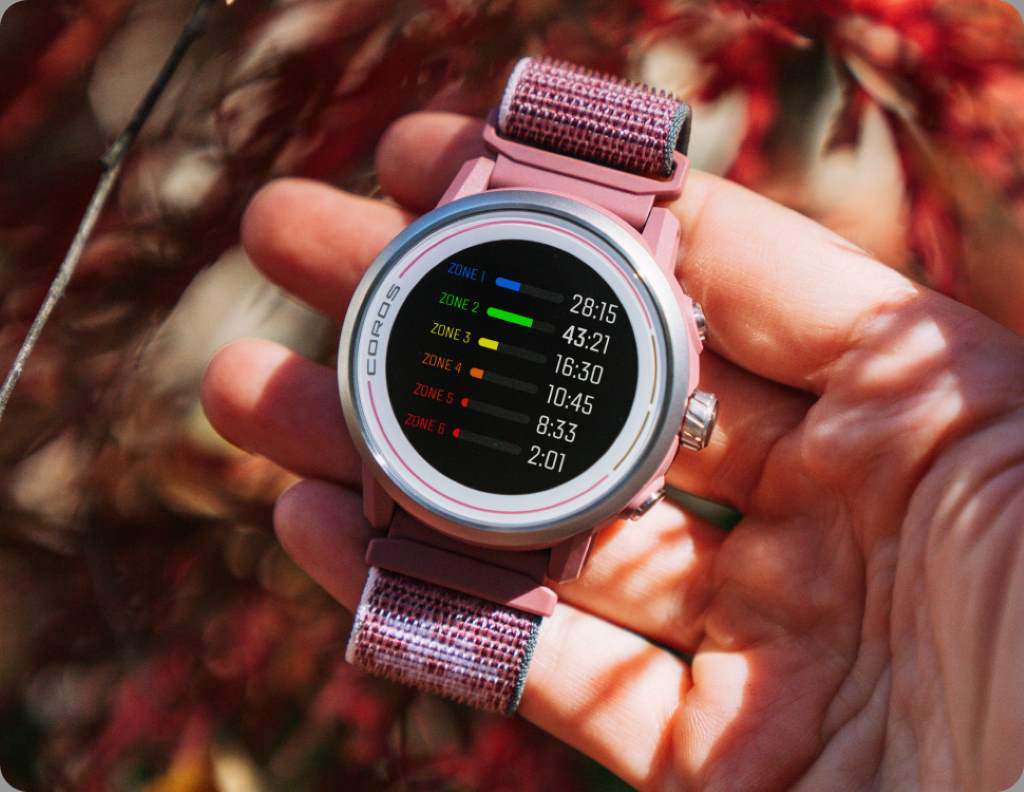
Zone 3 Training: Pushing Your Limits
Zone 3 training falls at 70–80% of your maximum heart rate. For a 30-year-old, that’s 133–152 bpm. It’s more intense than Zone 2. You can still talk, but it’s harder. Zone 3 builds aerobic capacity and muscular endurance. It’s closer to your lactate threshold. This zone mimics marathon pace or tempo runs.
Benefits of Zone 3 Training
Zone 3 improves aerobic threshold. It boosts your ability to sustain faster paces. Your body clears lactate better. This delays fatigue during races. Zone 3 also strengthens muscle fibers. It’s great for interval training or sweet spot training. You’ll see gains in speed and power. It’s ideal for half marathon prep or threshold training.
Who Should Use Zone 3 Training?
Zone 3 suits intermediate to advanced athletes. Runners targeting faster marathon times benefit. Cyclists aiming for power gains use it too. It’s perfect for those chasing performance goals. Zone 3 fits into pyramidal training. This balances low, moderate, and high-intensity sessions.
How to Train in Zone 3
Monitor your heart rate with a tracker. Stay within 70–80% of your max. For a 30-year-old, aim for 133–152 bpm. Try 20–40-minute sessions. Include intervals or tempo runs. For example, run 5 minutes at Zone 3, then recover in Zone 2. Repeat 4–6 times. This mimics high-intensity interval training.
Zone 2 vs Zone 3: Key Differences
| Feature | Zone 2 | Zone 3 |
| Purpose | Builds endurance | Boosts speed |
| Intensity | Low-intensity | Moderate-intensity |
| Duration | Long-duration | Shorter-duration |
| Primary Fuel Source | Fat | Carbohydrates |
| Primary Use | Aerobic development | Lactate production and clearance |
Training Intensity Distribution
Polarized training favors Zone 2. You spend 80% of time in low-intensity zones. The rest is high-intensity, like Zone 5. Zone 3 fits pyramidal training. Here, you mix low, moderate, and high-intensity work. Balance depends on your goals. Marathon runners lean toward Zone 2. Sprinters or cyclists may prefer Zone 3.
Impact on Aerobic and Lactate Systems
Zone 2 strengthens your aerobic metabolism system. It improves aerobic gains. Your body uses oxygen efficiently. Zone 3 pushes your ventilatory threshold. It trains your body to handle lactate response. This helps during faster paces or races. Both zones improve functional threshold power.
When to Use Zone 2 vs Zone 3
Choose Zone 2 for base-building. It’s great for long runs or aerobic endurance work. Use it early in training programs. Zone 3 is for performance. It suits interval sessions or marathon pace miles. Use it closer to race day. Combine both for a well-rounded plan. For example, do Zone 2 long runs and Zone 3 tempo runs weekly.
Sample Weekly Training Plan
- Monday: Zone 2 long run (60 minutes).
- Tuesday: Rest or light Zone 1 walk.
- Wednesday: Zone 3 interval training (30 minutes).
- Thursday: Zone 2 steady run (45 minutes).
- Friday: Rest or yoga.
- Saturday: Zone 3 tempo run (20 minutes).
- Sunday: Zone 2 recovery run (30 minutes).
This balances aerobic development and performance gains. Adjust based on fitness tests or training goals.
Tools for Heart Rate Training
Fitness trackers simplify heart rate monitoring. Brands like Garmin or Fitbit work well. Use training zone calculators to find your zones. Apps like Strava or Polar Flow help too. For precision, consider lactate testing. This measures your lactate threshold accurately. The American Heart Association recommends heart rate training for safety.
Common Mistakes to Avoid
Don’t train in Zone 3 too often. It can lead to burnout. Avoid skipping Zone 2 sessions. They’re key for aerobic base. Check your fitness tracker regularly. Ensure it’s accurate. Don’t push past your zones without a plan. Overtraining risks injury.
Zone 2 and Zone 3 in Real-World Scenarios
Imagine you’re training for a half marathon. Zone 2 builds your stamina. You run long, slow miles. Zone 3 prepares you for race pace. You do tempo runs at marathon pace. For cyclists, Zone 2 is for long rides. Zone 3 is for hill climbs or sprints. Both zones work together for success.
Zone 2 training can burn up to 80% fat for fuel. This makes it ideal for weight loss. Studies show it improves aerobic metabolism. Elite athletes use it for 80% of their training. It’s a secret weapon for endurance.
FAQs
What is the difference between Zone 2 and Zone 3 training?
Zone 2 is 60–70% of max heart rate, focusing on endurance. Zone 3 is 70–80%, targeting speed and power.
How do I calculate my heart rate zones?
Subtract your age from 220 to find max heart rate. Zone 2 is 60–70%, Zone 3 is 70–80%.
Can beginners use Zone 3 training?
Beginners should start with Zone 2. Zone 3 suits those with some fitness experience.
How often should I train in Zone 2 vs Zone 3?
Use Zone 2 for 80% of sessions. Limit Zone 3 to 1–2 sessions weekly.
Do I need a fitness tracker for heart rate training?
A tracker helps monitor zones accurately. It’s not mandatory but highly recommended.
Train Smarter with Zone 2 and Zone 3
Zone 2 and Zone 3 training transform your fitness. Zone 2 builds endurance. The Zone 3 boosts speed. Together, they create a balanced plan. Use a fitness tracker to stay on track. Mix long runs with interval sessions. Tailor your training to your goals. Ready to level up? Start your heart rate training today. Share your progress in the comments below!
References
- American Heart Association: https://www.heart.org/en/healthy-living/fitness/fitness-basics/target-heart-rates
- Polarized Training Research: https://www.ncbi.nlm.nih.gov/pmc/articles/PMC3919262/
- Lactate Threshold Guide: https://www.trainingpeaks.com/learn/articles/lactate-threshold-training/


