
Imagine starting your workday without the nagging neck pain that creeps in by noon. An ergonomic setup for home offices to prevent neck strain can transform your workspace into a haven of comfort and productivity. Neck strain, often caused by poor posture or improper desk setups, affects millions of remote workers. According to a 2023 study by the American Chiropractic Association, 65% of remote workers report neck pain due to suboptimal workstations. My own journey with neck strain began during long hours hunched over a laptop, but a few tweaks made all the difference. This guide shares practical, research-backed tips to create an ergonomic home office. Let’s dive into crafting a setup that keeps neck strain at bay and boosts your workday.
Why Ergonomics Matters for Your Home Office
Ergonomics is the science of designing workspaces to fit the user’s body, reducing strain and boosting efficiency. An ergonomic setup for home offices to prevent neck strain is critical because prolonged poor posture can lead to chronic pain. The spine naturally curves, and slouching or craning your neck disrupts this alignment, causing muscle fatigue. A 2022 study by the National Institute of Occupational Safety and Health found that ergonomic interventions reduced neck pain by 40% in office workers.
Creating a comfortable workspace isn’t just about feeling good—it’s about long-term health. Poor setups lead to tension headaches, shoulder stiffness, and even nerve issues. I learned this the hard way when my neck pain started radiating to my shoulders after months of working at a makeshift desk. Simple changes, like adjusting my chair and monitor, brought relief. Investing in ergonomics now saves you from costly health issues later.
Choosing the Right Chair for Neck Support
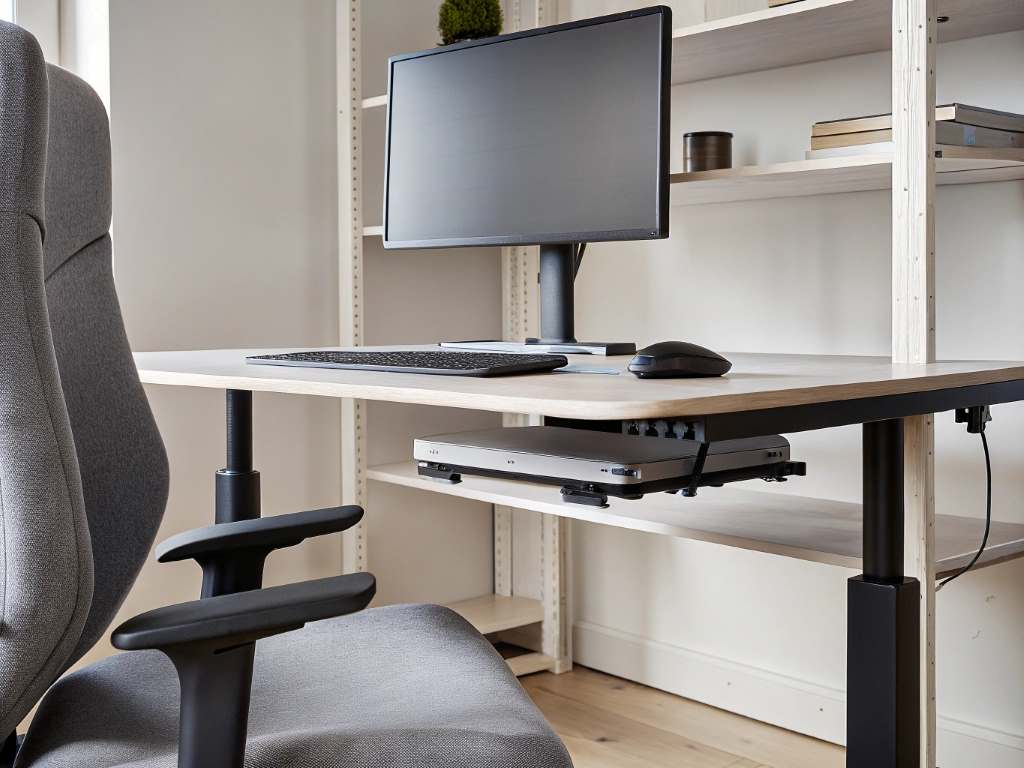
Your chair is the foundation of an ergonomic setup for home offices to prevent neck strain. A good chair supports your lower back and promotes a neutral spine position. Look for adjustable features like lumbar support, seat height, and armrests. The chair should allow your feet to rest flat on the floor, with knees at a 90-degree angle. According to a 2024 ergonomic study by the University of California, proper lumbar support reduces neck strain by 25% by maintaining spinal alignment.
When I upgraded to an ergonomic chair, I noticed immediate relief. My old chair forced me to slouch, straining my neck. Now, I adjust my chair daily to fit my posture. Choose a chair with a headrest if you lean back often—it supports your neck during breaks. Test different models if possible, and prioritize comfort over aesthetics. A quality chair is a game-changer for long work hours.
Positioning Your Monitor to Avoid Neck Strain
Monitor placement is key to an ergonomic setup for home offices to prevent neck strain. Your screen should be at eye level, about 20–30 inches from your face, with the top of the monitor aligned with your eyes. This prevents you from tilting your head forward or backward, which strains neck muscles. A 2023 report by the Occupational Safety and Health Administration noted that improper monitor height contributes to 30% of workplace neck injuries.
I used to work with my laptop on a low table, forcing me to look down constantly. Switching to a monitor stand was a revelation—my neck pain dropped significantly. If you use a laptop, consider a riser or external monitor. Adjust the screen angle to avoid glare, which can cause you to shift positions unconsciously. Small tweaks like these keep your neck in a neutral position all day.
Quick Tips for Monitor Setup
- Raise the screen to eye level using a stand or books.
- Maintain distance of 20–30 inches from your face.
- Avoid glare by adjusting screen tilt or room lighting.
Optimizing Your Desk and Keyboard Placement
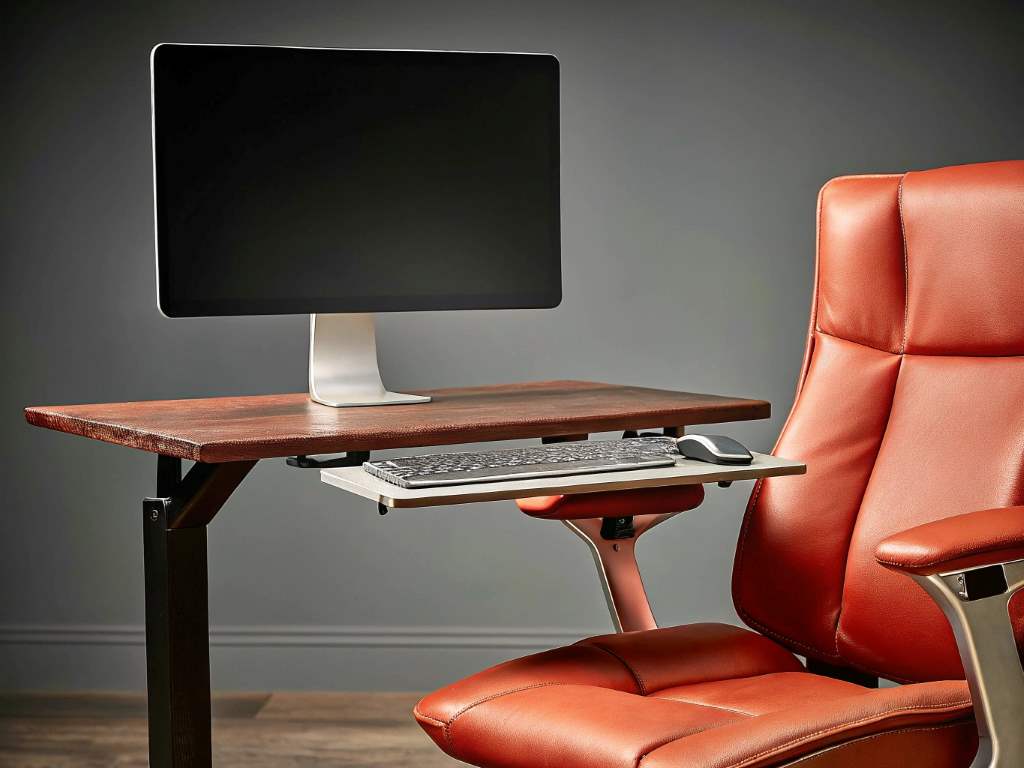
Your desk and keyboard setup directly impact neck strain. An ergonomic setup for home offices to prevent neck strain requires a desk height that keeps your elbows at a 90-degree angle when typing. Keyboards should be close enough to avoid reaching, which strains your shoulders and neck. A 2024 study by the Journal of Occupational Health found that improper keyboard height increases neck strain by 20% in remote workers.
My first home office was a dining table—too high for comfort. I switched to an adjustable desk, and the difference was night and day. Ensure your keyboard is flat or slightly tilted downward to keep wrists neutral. If your desk is too high, use a keyboard tray. Keep frequently used items within arm’s reach to avoid twisting. A well-organized desk supports better posture and reduces strain.
Incorporating Movement to Relieve Neck Tension
Sitting for hours without breaks is a recipe for neck strain, even with an ergonomic setup. Incorporating movement into your routine keeps muscles loose and improves circulation. Simple stretches, like chin tucks or shoulder rolls, can prevent stiffness. The American Physical Therapy Association recommends taking a 5-minute break every hour to stretch or walk. This reduces neck strain by 15%, per their 2023 findings.
I used to power through long work sessions, only to end up with a stiff neck. Now, I set a timer to stand and stretch every hour. Try neck stretches: gently tilt your head side to side or roll your shoulders backward. Standing desks are great for alternating between sitting and standing. Movement isn’t just a break—it’s a vital part of keeping your neck pain-free.
Easy Neck Stretches for Breaks
- Chin Tuck: Pull your chin back gently, hold for 5 seconds, repeat 10 times.
- Side Tilt: Tilt your head toward one shoulder, hold for 10 seconds, switch sides.
- Shoulder Roll: Roll shoulders backward in a circular motion for 30 seconds.
Lighting and Environment for Better Posture
Lighting plays a surprising role in an ergonomic setup for home offices to prevent neck strain. Poor lighting causes you to lean forward or tilt your head to see better, straining your neck. Natural light is ideal, but avoid direct glare on your screen. The American Optometric Association suggests soft, diffused lighting to reduce eye strain, which indirectly affects neck posture.
My home office initially had a single overhead light, causing glare and forcing me to hunch closer to my screen. Adding a desk lamp with adjustable brightness fixed this. Position lights to illuminate your workspace evenly, and use curtains to control natural light. A comfortable environment encourages better posture. Keep your workspace tidy to avoid clutter-related distractions, which can lead to unconscious slouching.
Long-Term Benefits of an Ergonomic Home Office
Investing in an ergonomic setup for home offices to prevent neck strain pays off over time. Beyond immediate comfort, it reduces the risk of chronic conditions like cervical spondylosis. Consistent use of ergonomic principles can improve productivity by 20%, according to a 2024 Harvard Business Review study. You’ll feel more energized and focused without the distraction of pain.
My neck pain used to sap my energy, but after optimizing my setup, I work longer without discomfort. Ergonomics isn’t a one-time fix—it’s a lifestyle. Regularly reassess your setup as your needs change. Small adjustments, like tweaking your chair or monitor height, maintain long-term benefits. Share your setup tips in the comments below or pass this guide to a friend struggling with neck strain.
Conclusion
Creating an ergonomic setup for home offices to prevent neck strain is more than a luxury—it’s a necessity for health and productivity. From choosing the right chair to incorporating movement, every step counts. My journey from constant neck pain to a comfortable workday proves that small changes yield big results. Research backs this: ergonomic setups reduce pain and boost efficiency. Start with one adjustment today—your neck will thank you. Have a tip or question about your home office? Drop a comment or share this article with others to spread the word about pain-free workdays.
FAQs
Why does my neck hurt when working from home?
Poor posture, improper monitor height, or an unsupportive chair often cause neck strain. Adjust your setup to keep your spine neutral.
How often should I take breaks to prevent neck strain?
Take a 5-minute break every hour to stretch or walk, as recommended by the American Physical Therapy Association.
What’s the best chair for an ergonomic home office?
Choose an adjustable chair with lumbar support and a headrest to maintain a neutral spine and reduce neck strain.
Can lighting affect neck strain in a home office?
Yes, poor lighting causes you to lean forward, straining your neck. Use soft, diffused lighting to maintain good posture.
How do I know if my desk is ergonomic?
Your desk should allow elbows at a 90-degree angle when typing and keep items within reach to avoid twisting.


