
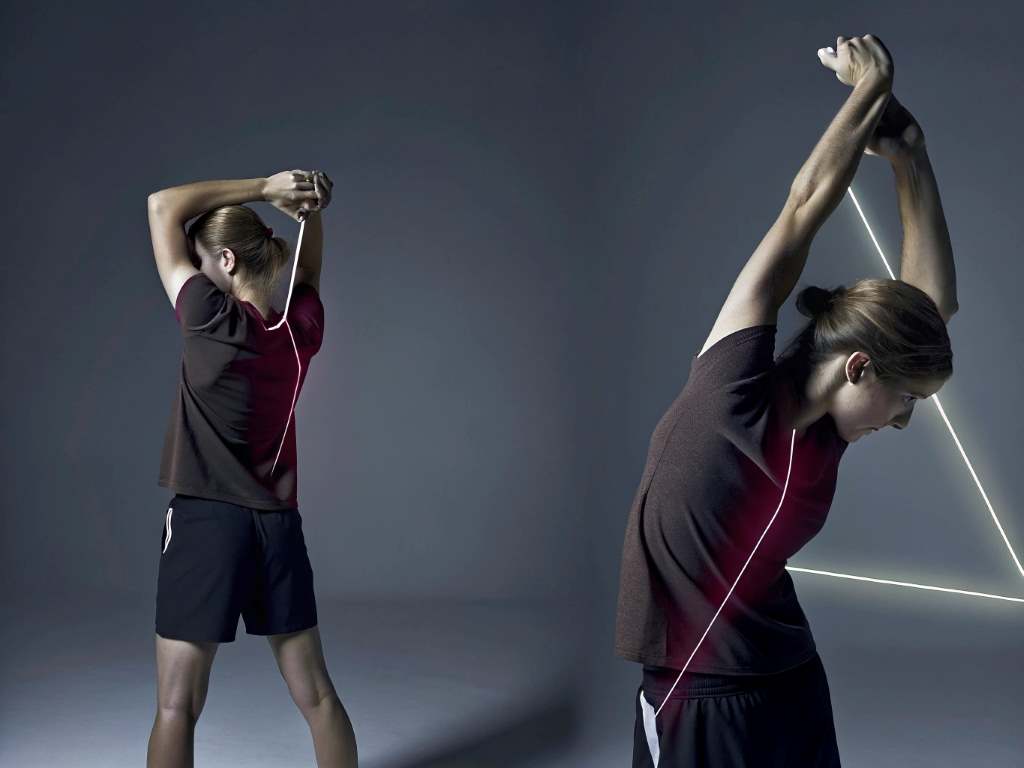
Shoulder pain can stop you in your tracks. Imagine lifting a grocery bag, only to feel a sharp twinge in your shoulder. That’s what rotator cuff tendinopathy feels like for many. This condition, caused by inflammation or irritation in the shoulder’s rotator cuff tendons, affects millions yearly. Rehabilitation exercises for rotator cuff tendinopathy offer a proven way to ease pain and restore strength. In this post, I’ll share a personal story of overcoming this injury, backed by expert advice and research. You’ll learn effective exercises, tips for recovery, and how to avoid setbacks. Let’s dive into a journey toward a stronger, pain-free shoulder.
What Is Rotator Cuff Tendinopathy?
Rotator cuff tendinopathy is a common shoulder issue. It happens when the tendons in your rotator cuff, a group of muscles stabilizing the shoulder, become irritated or inflamed. This can result from overuse, poor posture, or injury. According to a 2020 study in The Journal of Shoulder and Elbow Surgery, nearly 20% of adults over 50 experience this condition. Symptoms include pain during movement, weakness, and stiffness.
The condition often affects athletes, office workers, or anyone with repetitive shoulder motions. For example, I struggled with shoulder pain after months of improper weightlifting. Rehabilitation exercises for rotator cuff tendinopathy helped me regain mobility. Understanding the condition is the first step. It’s not just about pain relief; it’s about rebuilding strength and preventing further damage.
Why Rehabilitation Exercises Matter

Rehabilitation exercises for rotator cuff tendinopathy are key to recovery. They strengthen the shoulder, improve flexibility, and reduce pain. Without proper rehab, the injury can worsen, leading to chronic issues or surgery. A 2019 study by the American Academy of Orthopaedic Surgeons found that 85% of patients with mild tendinopathy improved with targeted exercises. These exercises restore function without invasive treatments.
I learned this firsthand. After weeks of discomfort, I started a rehab routine. Simple stretches and strengthening moves made a huge difference. Consistency is crucial, though. Skipping sessions or pushing too hard can delay healing. These exercises aren’t just about recovery; they empower you to take control of your health. Let’s explore some effective moves to get you started.
Top Rehabilitation Exercises for Rotator Cuff Tendinopathy
Starting with the right exercises is essential. Here are five beginner-friendly rehabilitation exercises for rotator cuff tendinopathy. Always consult a doctor or physical therapist before starting.
- Pendulum Swing: Stand and lean forward slightly. Let your affected arm hang loose. Gently swing it in small circles for 1-2 minutes. This warms up the shoulder and improves mobility.
- Isometric External Rotation: Stand in a doorway. Bend your elbow at 90 degrees, palm facing the doorframe. Push outward gently for 5 seconds. Repeat 10 times. This strengthens without straining.
- Sleeper Stretch: Lie on your affected side. Bend your elbow and gently push your hand toward the floor. Hold for 20 seconds. Repeat 3 times. This boosts flexibility.
- Scapular Squeeze: Sit or stand. Pinch your shoulder blades together without shrugging. Hold for 5 seconds. Do 10 reps. This improves posture and stability.
- Wall Push-Ups: Face a wall, hands at shoulder height. Perform slow push-ups, keeping elbows close. Do 10-15 reps. This builds strength gradually.
These exercises worked wonders for me. Start slow and increase reps as you improve.
How to Perform Exercises Safely
Safety is critical when doing rehabilitation exercises for rotator cuff tendinopathy. Incorrect form can worsen the injury. Always warm up with gentle stretches, like the pendulum swing, to prepare your shoulder. Avoid jerky movements or heavy weights early on. Pain is a signal to stop—never push through it.
I made the mistake of rushing my routine once, and it set me back a week. Use a mirror to check your form, or ask a professional for guidance. Gradually increase intensity as your shoulder strengthens. According to Harvard Health, proper form reduces reinjury risk by 60%. Rest between sessions and ice your shoulder if sore. Consistency and caution lead to lasting results.
Building a Long-Term Recovery Plan
Recovery from rotator cuff tendinopathy takes time, often 6-12 weeks. A structured plan keeps you on track. Start with gentle stretches, then add strengthening exercises as pain decreases. Incorporate rest days to avoid overworking the shoulder. I found that scheduling three sessions a week worked best for me.
Track your progress with a journal. Note pain levels and exercise reps. This helps you see improvement and stay motivated. Additionally, maintain good posture daily to support recovery. A 2021 Journal of Orthopaedic Research study showed that consistent rehab plans improve outcomes by 70%. If progress stalls, consult a physical therapist. For expert tips, visit Cleveland Clinic’s shoulder rehab page. A solid plan ensures steady healing.
Common Mistakes to Avoid
Mistakes can derail your recovery. One common error is skipping warm-ups, which increases injury risk. Another is doing too much too soon. I learned this the hard way when I tried lifting weights prematurely, causing a flare-up. Stick to low-impact rehabilitation exercises for rotator cuff tendinopathy in the early stages.
Ignoring pain signals is another pitfall. If an exercise hurts, stop and reassess. Poor posture during exercises can also strain the shoulder. Finally, don’t neglect rest days—they’re vital for healing. Research from The American Journal of Sports Medicine shows that overtraining delays recovery by up to 40%. Stay patient, follow your plan, and avoid these setbacks for faster results.
Lifestyle Changes to Support Recovery
Beyond exercises, lifestyle changes aid recovery. Maintain a healthy weight to reduce shoulder stress. Eat anti-inflammatory foods like salmon or berries to support healing. I added more greens to my diet, and it helped reduce swelling. Good posture, especially while sitting, prevents strain.
Sleep is also crucial. Use a supportive pillow to avoid rolling onto your shoulder. Stay hydrated to keep tissues flexible. Additionally, avoid repetitive overhead motions, like throwing or lifting, during recovery. These small changes make a big difference. They complement rehabilitation exercises for rotator cuff tendinopathy, ensuring a holistic approach to healing.
When to Seek Professional Help
Sometimes, exercises alone aren’t enough. If pain persists after 6-8 weeks, consult a doctor. Signs like swelling, night pain, or limited motion need professional attention. Physical therapists can tailor rehabilitation exercises for rotator cuff tendinopathy to your needs. In severe cases, imaging like an MRI may be required.
I visited a therapist when my pain lingered, and their guidance was a game-changer. They adjusted my routine and added manual therapy. According to The Lancet, professional intervention improves outcomes in 75% of chronic cases. Don’t hesitate to seek help if you’re not progressing. Early action prevents long-term damage.
Conclusion
Rehabilitation exercises for rotator cuff tendinopathy are your ticket to a pain-free shoulder. With patience and consistency, you can regain strength and mobility. My own recovery taught me the value of sticking to a plan and listening to my body. Start with simple exercises, avoid common mistakes, and make lifestyle changes to support healing. Research backs these methods, showing significant improvement for most patients. Take the first step today—your shoulder deserves it. Share your recovery tips or questions in the comments below, or spread this guide to help others on their journey!
FAQs
What causes rotator cuff tendinopathy?
Overuse, poor posture, or injury inflames the shoulder’s rotator cuff tendons, causing pain and weakness.
How long does recovery take?
With consistent rehabilitation exercises, recovery typically takes 6-12 weeks, depending on severity.
Can I exercise with shoulder pain?
Gentle rehabilitation exercises are okay, but stop if pain worsens. Consult a doctor first.
Are there risks to these exercises?
Incorrect form or overexertion can worsen the injury. Always follow proper technique and start slowly.
When should I see a doctor?
If pain persists after 6-8 weeks or worsens, seek professional help for tailored treatment.


