
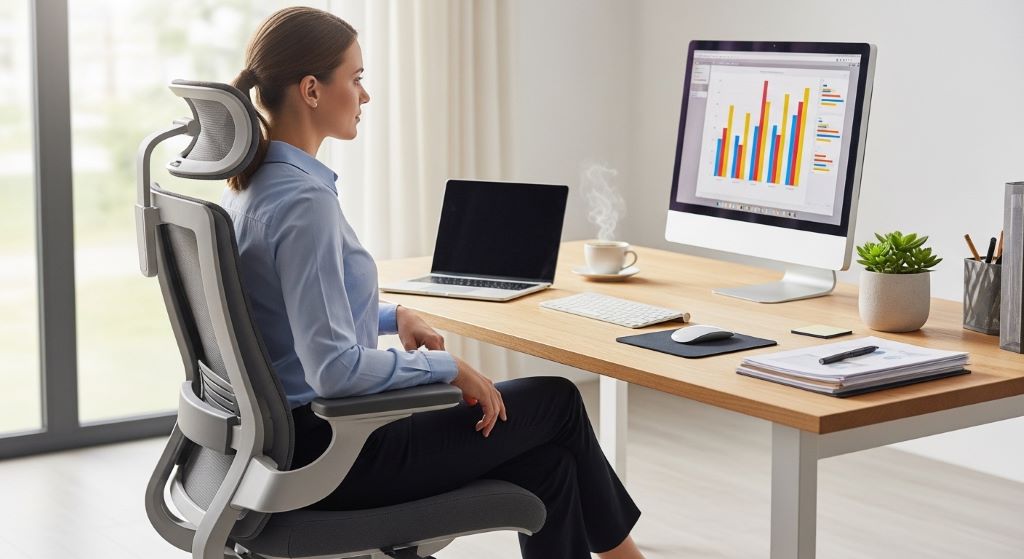
Many people spend more than eight hours a day sitting at a desk. Over time, poor seating can cause serious health problems. Fortunately, ergonomic office chairs offer a simple and effective solution. This office health guide will walk you through everything you need to know about ergonomic chairs and how they can change your work life for the better.
What Is an Ergonomic Office Chair?
An ergonomic office chair is designed to support your body’s natural shape. Unlike standard chairs, these are built with your posture and comfort in mind. They come with adjustable features that let you customize the fit to your body. As a result, they help reduce muscle strain and keep you comfortable throughout the day.
These chairs are not just a luxury. They are a practical investment in your health. Many offices around the world are now switching to ergonomic seating for this very reason.
The Link Between Sitting and Back Pain
Sitting for long periods puts a lot of pressure on your spine. When you sit in a poor position, your lower back curves the wrong way. This leads to muscle fatigue and, eventually, pain. In fact, back pain is one of the most common reasons people miss work.
The good news is that the right chair can make a big difference. Ergonomic chairs are specifically built to provide back pain relief at work by supporting the natural curve of your spine. They keep your back in a healthy position, even during long hours at the desk.
Additionally, these chairs reduce pressure on your hips and tailbone. This helps you stay comfortable and focused without constant shifting or discomfort.
Key Benefits of Ergonomic Office Chairs
Better Posture Support
One of the biggest advantages of ergonomic chairs is their ability to support good posture. They come with lumbar support that fits snugly into the curve of your lower back. This naturally encourages you to sit upright. Over time, sitting in a supported position becomes a habit. Therefore, your posture improves even when you are not sitting in the chair.
Good posture also reduces strain on your neck and shoulders. Many office workers suffer from neck pain due to hunching forward. An ergonomic chair helps eliminate this problem by encouraging a more aligned sitting position.
Adjustable Features for a Custom Fit
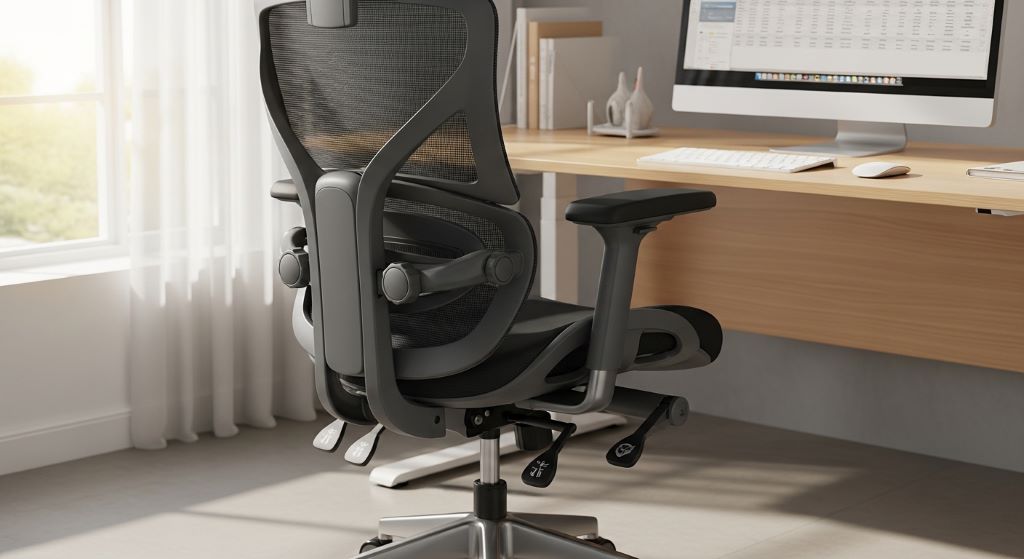
Ergonomic chairs are highly adjustable. You can change the seat height, armrest position, backrest angle, and lumbar support level. This means the chair works for your body, not the other way around.
When your feet rest flat on the floor and your knees form a 90-degree angle, your body is in its most relaxed position. Ergonomic chairs make it easy to achieve this setup. However, it is important to take a few minutes to properly adjust your chair when you first get one.
Reduced Risk of Long-Term Health Problems
Sitting in a poor chair for years can lead to chronic pain and even spinal issues. Ergonomic chairs help prevent these long-term problems. By supporting your body correctly, they reduce the daily wear and tear on your muscles and joints.
Moreover, proper seating can improve blood circulation. When your legs are not compressed against a hard seat, blood flows more freely. This reduces the risk of leg pain and fatigue during the day.
Increased Productivity and Focus
Comfort has a direct impact on your ability to work. When you are in pain, it is hard to concentrate. Ergonomic chairs help you stay comfortable, which means you can focus on your tasks without distraction.
Studies have shown that comfortable employees are more productive. Therefore, investing in better seating is not just good for health. It is also good for business. Additionally, reduced discomfort means fewer breaks to stretch or manage pain, leading to a more efficient workday.
Posture Improvement Tips for Office Workers
Even the best chair works better when paired with good habits. Here are some posture improvement tips you can use every day:
- Sit with your back fully against the chair’s backrest.
- Keep both feet flat on the floor or on a footrest.
- Position your monitor at eye level to avoid looking down.
- Keep your elbows at a 90-degree angle when typing.
- Take a short break every 30 to 60 minutes to stand and stretch.
These habits, combined with an ergonomic chair, create a powerful foundation for workplace wellness. Small changes in how you sit can lead to big improvements in how you feel.
How to Choose the Right Ergonomic Chair
Not all ergonomic chairs are the same. When shopping for one, look for these key features:
- Lumbar support that can be adjusted for height and depth.
- A seat that is wide and deep enough to support your hips.
- Armrests that can move up, down, and sideways.
- A headrest if you frequently lean back during work.
- Breathable fabric or mesh to keep you cool.
It is also a good idea to try the chair before buying it. Sit in it for a few minutes and see how your back feels. A chair that feels good right away is likely to work well over time.
Setting Up an Ergonomic Workstation
A great chair is just one part of a healthy workspace. Your entire workstation setup plays a role in your overall comfort. Here are a few tips to consider:
Position your monitor directly in front of you, about an arm’s length away. The top of the screen should be at or slightly below eye level. This prevents you from tilting your head up or down for extended periods.
Your keyboard and mouse should be at the same height as your elbows. This keeps your wrists straight and reduces the risk of strain or repetitive stress injuries. Additionally, using a wrist rest can further protect your joints during long typing sessions.
Lighting is also important. Position your desk so that light does not create glare on your screen. Good lighting reduces eye strain and helps you maintain a more natural sitting posture.
The Long-Term Value of Ergonomic Seating
Some people hesitate to invest in an ergonomic chair because of the cost. However, it is worth thinking about the long-term picture. The cost of treating chronic back pain, taking time off work, or losing productivity is far greater than the price of a quality chair.
Think of it as preventive care. Just as you invest in good shoes to protect your feet, you should invest in a good chair to protect your spine. The benefits build up over time, and many users report feeling significant improvements within just a few weeks of switching to an ergonomic chair.
Furthermore, employers who provide ergonomic seating often see lower rates of workplace injuries and higher employee satisfaction. It is a small change that creates a lasting positive impact.
Conclusion
Ergonomic office chairs offer real, lasting benefits for anyone who spends significant time at a desk. They support your posture, reduce back pain, improve circulation, and help you stay focused throughout the day. When combined with simple posture improvement tips, a proper workstation setup, and regular movement breaks, these chairs become a cornerstone of a healthier work life. Whether you are an employer looking to improve team wellness or an individual seeking back pain relief at work, an ergonomic chair is one of the smartest investments you can make for your health and productivity. Start small, make the right adjustments, and let your workspace work for you.
Frequently Asked Questions
What makes an ergonomic chair different from a regular office chair?
An ergonomic chair is designed to support the natural alignment of your body. It offers adjustable features like lumbar support, seat height, and armrests. Regular chairs often have a fixed design that does not adapt to individual body types. Therefore, ergonomic chairs are far more effective at reducing discomfort and promoting healthy posture.
How long does it take to see benefits from using an ergonomic chair?
Many users notice a difference within the first few days. However, lasting posture improvements typically take a few weeks of consistent use. Pairing the chair with good sitting habits will speed up the results. Additionally, proper setup of your workstation makes a significant difference.
Can an ergonomic chair completely eliminate back pain?
An ergonomic chair can greatly reduce back pain, but it works best as part of a complete approach to workplace wellness. Regular movement breaks, stretching, and proper monitor placement all contribute to pain relief. If your back pain is severe, it is advisable to consult a healthcare professional as well.
Are ergonomic chairs suitable for all body types?
Yes. Most ergonomic chairs come with a wide range of adjustable settings, making them suitable for people of different heights and builds. When shopping, look for chairs with adjustable seat depth, height, and armrests to ensure the best fit for your body.
How should I adjust my ergonomic chair for the best results?
Start by setting the seat height so your feet rest flat on the floor. Adjust the lumbar support to fit snugly in the curve of your lower back. Set the armrests so your elbows rest comfortably at a 90-degree angle. Finally, angle the backrest so it supports your spine without forcing you into an unnatural position.
Related Topics:
Nervous Cough Treatment Without Medication: Natural Remedies That Work
How to Build Healthy Daily Routines That Stick


