

Imagine tossing and turning at night, unable to find restful sleep. I’ve been there, battling restless legs and muscle cramps that kept me awake. That’s when I discovered the soothing power of magnesium body butter. This DIY recipe blends magnesium oil, shea butter, and lavender essential oil to promote relaxation and better sleep. With natural ingredients like coconut oil and jojoba oil, it’s a self-care ritual that nourishes your skin and calms your mind. In this guide, I’ll share a step-by-step recipe, tips for customization, and insights on how topical magnesium can transform your nighttime routine. Let’s dive into creating a whipped magnesium body butter that supports restful sleep and leaves you feeling refreshed.
Why Magnesium Body Butter Promotes Restful Sleep
Magnesium is a mineral vital for over 300 biochemical reactions in the body, including those that regulate sleep. A deficiency can lead to insomnia, restless leg syndrome, or muscle cramps, disrupting your night. According to a 2017 study published in the journal Nutrients, magnesium supplementation improved sleep quality in adults with insomnia. Topical magnesium, like in body butter, allows for transdermal absorption, delivering the mineral directly through the skin.
This method is gentle and effective, especially for those sensitive to oral magnesium supplements, which may upset the digestive system. By combining magnesium chloride with carrier oils like almond oil and essential oils like lavender, you create a lotion that soothes muscles and promotes a calm state. My first night using it, I felt my restless legs settle, and I drifted off faster than usual. It’s a natural, holistic approach to better sleep.
Ingredients for Your Whipped Magnesium Body Butter
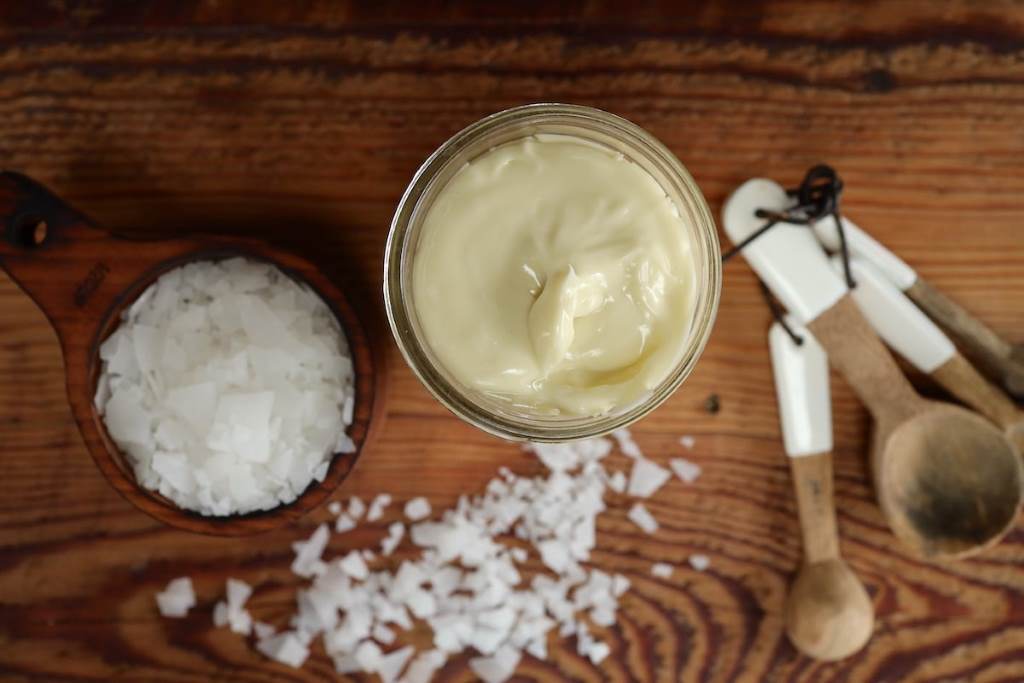
Crafting your own magnesium body butter is simple with the right ingredients. Each component serves a purpose, from nourishing the skin barrier to enhancing relaxation. Here’s what you’ll need:
- Magnesium oil: 1/4 cup, made from magnesium flakes for muscle relaxation.
- Shea butter: 1/2 cup, for hydration and a creamy texture.
- Coconut oil: 1/4 cup, preferably extra virgin coconut oil, for skin softening.
- Jojoba oil: 2 tablespoons, a carrier oil that mimics skin’s natural oils.
- Lavender essential oil: 10-15 drops, for calming scents and better sleep.
- Emulsifying wax: 2 tablespoons, to blend oils and water smoothly.
- Beeswax pearls: 1 tablespoon, for a firmer texture.
- Preservative: 1 teaspoon (e.g., Leucidal preservative) to extend shelf life.
These ingredients are easy to find at health stores or online. Always choose high-quality, natural ingredients to avoid skin irritation. According to the Mayo Clinic, using pure essential oils like lavender can reduce stress and improve sleep quality.
Step-by-Step Guide to Making Magnesium Body Butter
Creating this body butter is a rewarding self-care project. Follow these steps for a smooth, whipped texture. You’ll need a double boiler, hand mixer, and glass jars for storage.
First, melt 1/2 cup shea butter, 1/4 cup coconut oil, 2 tablespoons jojoba oil, 2 tablespoons emulsifying wax, and 1 tablespoon beeswax pearls in a double boiler over low heat. Stir with wooden stir sticks until fully melted. Remove from heat and let it cool slightly. Next, add 1/4 cup magnesium oil and 1 teaspoon preservative, stirring gently. Once the mixture cools to room temperature, add 10-15 drops of lavender essential oil and whip with a hand mixer or immersion blender for 5-7 minutes until fluffy.
Transfer the whipped magnesium body butter to sealed glass containers. Store in the refrigerator to maintain freshness. This recipe yields about 8 ounces, perfect for nightly use. My first batch felt like a luxury night cream, transforming my skincare routine.
Customizing Your Body Butter for Specific Needs
Personalizing your magnesium body butter can enhance its benefits. For instance, if you experience growing pains or chronic pain, consider adding cedarwood essential oil, known for its soothing properties. For migraines or headaches, a few drops of frankincense essential oil can complement lavender. Always dilute essential oils with a carrier oil like almond oil to prevent skin irritation.
If you prefer a lighter texture, reduce the beeswax and increase jojoba oil. For a vegan option, swap beeswax with candelilla wax. A 2020 study from Pediatrics noted that magnesium supplementation can ease growing pains in children, making this a great option for a “Growing Pains blend.” I tweaked my recipe with vetiver for extra relaxation, and it worked wonders for my restless sleep. Experiment with scents like bergamot or sandalwood, but keep total essential oil drops under 20 to avoid overpowering the mix.
Benefits of Magnesium for Sleep and Muscle Health
Magnesium supports the body’s circadian rhythm, helping regulate sleep-wake cycles. It boosts GABA, a neurotransmitter that calms the brain, reducing symptoms like insomnia or restless leg syndrome. Topical magnesium is especially helpful for muscle cramps or growing pains, as it targets specific areas. A 2019 Journal of Pain Research study found that transdermal magnesium reduced chronic pain in 60% of participants within two weeks.
Beyond sleep, magnesium body butter hydrates the skin, thanks to shea butter and olive oil. It’s a natural alternative to commercial lotions, free from synthetic chemicals. After using it for a month, my muscle tension eased, and my skin felt softer. For those with magnesium deficiency, this DIY lotion offers a gentle way to boost levels without digestive side effects, making it ideal for daily self-care.
Tips for Safe Application and Storage
Apply your magnesium body butter after a shower when your skin is slightly damp for better absorption. Use a small amount, about a dime-sized scoop, and massage into areas prone to tension, like legs or shoulders. Avoid sensitive areas to prevent irritation, especially if you’re new to topical magnesium. Start with a patch test to ensure compatibility.
Store the body butter in glass jars in the refrigerator to extend shelf life up to three months. Use a silicone spatula to scoop out portions to avoid contamination. If you notice any changes in smell or texture, discard the batch. I learned this the hard way when my first jar went off after sitting out too long. Following these tips ensures your lotion stays effective and safe.
Incorporating Magnesium Body Butter into Your Nightly Routine
Adding magnesium body butter to your nighttime routine can elevate your self-care game. After a warm bath with magnesium bath flakes, massage the body butter into your skin. The lavender and cedarwood scents create a calming ritual, signaling your body to wind down. Pair it with other sleep aids, like avoiding screens or sipping herbal tea.
Consistency is key. I started using it nightly, and within a week, my sleep improved noticeably. My restless legs calmed, and I woke up feeling refreshed. For added benefits, combine with dietary sources of magnesium, like leafy greens, nuts, or avocados. This holistic approach supports overall wellness, from better sleep to improved muscle recovery, making your evenings a sanctuary of relaxation.
Conclusion
Crafting your own magnesium body butter is more than a DIY project—it’s a step toward restful sleep and self-care. With natural ingredients like magnesium oil, shea butter, and lavender essential oil, this lotion soothes muscles, calms the mind, and nourishes the skin. My journey with it transformed restless nights into peaceful slumbers, and I hope it does the same for you. Try this recipe, customize it to your needs, and make it a part of your nightly routine. Share your experience in the comments below or pass this guide along to friends who need better sleep. Let’s spread the joy of relaxation!
FAQs
How does magnesium body butter help with sleep?
Magnesium body butter promotes relaxation by boosting GABA and calming the nervous system, aiding restful sleep.
Can I use other essential oils in the recipe?
Yes, try cedarwood, bergamot, or frankincense for relaxation, but keep total drops under 20 to avoid irritation.
How long does homemade magnesium body butter last?
Stored in a sealed glass container in the refrigerator, it lasts up to three months with a preservative.
Is magnesium body butter safe for kids?
It can help with growing pains, but use a diluted version and consult a pediatrician first.
Where can I buy magnesium flakes for the recipe?
Find magnesium flakes at health stores or online retailers like Plant Therapy or Ancient Minerals Brand.


