

Imagine sinking into your spa after a long day, the warm water enveloping you in a soothing embrace. But then, you notice the water feels off—maybe it’s irritating your skin or the jets aren’t performing as they should. I’ve been there, and it wasn’t until I learned how to increase alkalinity in my spa that I unlocked the secret to crystal-clear, comfortable water. Maintaining proper alkalinity is key to stabilizing pH levels, protecting your equipment, and ensuring a relaxing soak. In this guide, I’ll share a step-by-step journey to boost alkalinity in your spa, weaving in practical tips and personal insights to educate, demonstrate, and fascinate you. Let’s dive into creating the perfect spa experience. We suggest visiting the laser hair removal in midtown Manhattan.
Understanding Spa Alkalinity: The Foundation of Water Balance
Spa alkalinity, or total alkalinity (TA), measures the water’s ability to neutralize acids and stabilize pH levels. Think of it as the anchor that keeps your spa’s pH from drifting too far into acidic or basic territory. When alkalinity is too low, typically below 80 ppm, the water becomes acidic, leading to corrosion, skin irritation, and cloudy water. According to a guide by Spa World Australia, ideal TA levels for spas range between 100-150 mg/L to ensure equipment longevity and bather comfort (https://www.spaworld.com.au/blogs/news/spa-water-alkalinity-and-ph).
My first encounter with low alkalinity was a wake-up call. My spa water turned cloudy, and my skin felt itchy after every soak. Testing revealed the TA was a mere 60 ppm—way too low. By understanding alkalinity’s role, I realized it’s not just about adding chemicals but creating a balanced environment for a safe, enjoyable spa experience. This knowledge is your first step to mastering water chemistry. Visit the best anti aging facial in midtown Manhattan to get the best care for anti aging.
Maintaining proper TA prevents rapid pH fluctuations, which can damage your spa’s components. It’s like keeping your car’s engine tuned—neglect it, and problems pile up. With the right approach, you can keep your spa water pristine and inviting.
Why Low Alkalinity Harms Your Spa Experience
Low alkalinity in your spa can wreak havoc. Acidic water corrodes metal parts, like pumps and heaters, and reduces sanitizer effectiveness, allowing bacteria to thrive. It can also irritate your eyes and skin, turning a relaxing soak into an uncomfortable ordeal. High alkalinity, on the other hand, causes cloudy water and scale buildup, but low TA is often the more immediate concern for spa owners.
I learned this the hard way when my spa’s jets started sputtering, and the water looked murky. A quick test showed the TA was below 80 ppm, causing the pH to plummet. This imbalance made the water feel harsh, and I worried about long-term damage to my spa. Low alkalinity also makes it tough to maintain a stable pH, which should ideally sit between 7.2 and 7.8 for comfort and equipment safety.
The consequences of neglecting alkalinity are clear: costly repairs and an unenjoyable spa. By addressing low TA promptly, you protect your investment and ensure every soak is a delight. Let’s explore how to test and adjust it effectively.
Testing Your Spa’s Alkalinity: The First Step to Balance
Before you can increase alkalinity, you need to know your spa’s current TA level. Testing is simple and essential, like checking the oil in your car. Use test strips, a liquid test kit, or a digital tester for accurate results. Dip a test strip in the water for 5-15 seconds, then compare the color to the chart on the bottle. Aim for a TA between 80-120 ppm, though some sources suggest 100-150 ppm for optimal stability.
When I first tested my spa, I used basic test strips and was surprised at how easy it was. I turned off the jets, dipped the strip, and within seconds, I knew my TA was too low. Regular testing—once or twice a week—helps catch imbalances early. Factors like bather load, rainwater, or chlorine use can lower TA over time, so consistency is key.
For best results, test after running the jets for 10 minutes to circulate the water. This ensures an accurate reading. If your TA is below 80 ppm, it’s time to take action to restore balance and protect your spa.
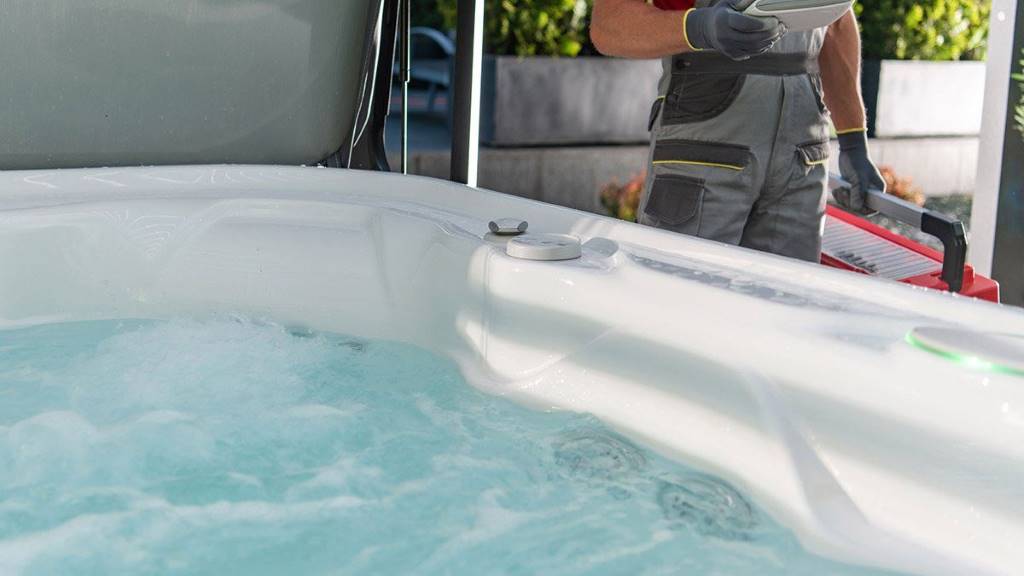
How to Increase Alkalinity in Your Spa: A Step-by-Step Guide
Raising alkalinity in your spa is straightforward with the right tools and approach. Sodium bicarbonate, commonly known as baking soda, is the go-to solution. It’s safe, effective, and often already in your pantry. Alternatively, you can use a commercial alkalinity increaser, which is essentially sodium bicarbonate in a spa-friendly form. Here’s how to do it:
- Determine Your Spa’s Volume: Check your spa’s manual to find its water capacity (e.g., 600 gallons). This ensures you add the right amount of increaser.
- Measure the Increaser: Use 1 tablespoon of baking soda per 100 gallons to raise TA by about 10 ppm. For a 600-gallon spa, that’s 6 tablespoons.
- Add Gradually: Turn on the jets to circulate the water, then slowly add the baking soda. Let it mix for 20 minutes.
- Wait and Retest: Allow the water to settle for 6 hours, then test again. Repeat if TA is still low.
My first attempt at this was a bit clumsy—I added too much baking soda, overshooting the TA. Now, I add small amounts and retest, ensuring precision. This method keeps your spa water balanced without overcorrecting.
Choosing the Right Products to Boost Alkalinity
Selecting the right product to increase alkalinity is crucial for effective spa maintenance. Sodium bicarbonate is the most common choice, available as baking soda or branded alkalinity increasers like Clorox Spa Alkalinity Increaser. These products dissolve quickly and raise TA without drastically altering pH. Avoid using sodium carbonate (soda ash), as it primarily raises pH and can complicate balancing.
When I shopped for an increaser, I opted for a spa-specific product to avoid guesswork. Amano’s blog suggests using 1.5 ounces of baking soda per 100 gallons to raise TA by 10 ppm, which aligns with my experience (https://www.amanocare.com/blogs/amano-blog/how-much-baking-soda-should-i-put-in-my-hot-tub-to-increase-alkalinity). Always follow the product’s instructions for dosage and application to prevent overcorrections.
Check product labels for sodium bicarbonate content, and avoid those with additives that could affect water chemistry. By choosing a reliable increaser and measuring carefully, you’ll maintain a stable, comfortable spa environment with minimal effort.
Common Mistakes to Avoid When Adjusting Alkalinity
Adjusting alkalinity seems simple, but mistakes can throw off your spa’s balance. Here are common pitfalls and how to avoid them:
- Adding Too Much Increaser: Overdosing can spike TA, leading to cloudy water or scale buildup. Always measure precisely and add gradually.
- Neglecting to Retest: Failing to check TA after 6 hours can result in unbalanced water. Retest to confirm levels are in the 80-120 ppm range.
- Ignoring pH Levels: Raising TA often increases pH slightly. Test pH after adjusting TA and use a pH decreaser if needed.
- Not Circulating Water: Adding chemicals without running the jets can cause uneven distribution. Run jets for 20 minutes after adding increaser.
I once skipped retesting, assuming one dose was enough, only to find my TA was still low. Now, I’m meticulous about measuring and retesting. By avoiding these mistakes, you’ll save time and keep your spa in top shape.
The Benefits of Balanced Alkalinity in Your Spa
Balanced alkalinity transforms your spa experience. It stabilizes pH, preventing fluctuations that cause skin irritation or equipment damage. Clear, clean water enhances relaxation, while effective sanitizers keep bacteria at bay. Your spa’s components, like pumps and heaters, last longer, saving you costly repairs.
After balancing my spa’s TA, the water felt softer, and my skin no longer itched. The jets ran smoothly, and the water sparkled, making every soak a joy. Balanced TA also reduces the need for frequent chemical adjustments, simplifying maintenance. According to Spa World Australia, proper TA levels ensure sanitizers work efficiently, reducing health risks (https://www.spaworld.com.au/blogs/news/spa-water-alkalinity-and-ph).
Maintaining TA between 80-120 ppm creates a safe, inviting environment. It’s like tuning a musical instrument—when everything’s in harmony, the experience is sublime. Invest time in balancing alkalinity, and your spa will reward you with countless relaxing moments.
Maintaining Alkalinity: Tips for Long-Term Success
Keeping your spa’s alkalinity balanced requires ongoing care. Test TA weekly to catch dips early. Factors like bather load, lotions, or rainwater can lower TA, so stay vigilant. Use a spa cover to protect against environmental contaminants. If TA is consistently off, consider a water change every 3-4 months to reset the chemistry.
I’ve found that using chlorine granules instead of tablets helps maintain neutral pH, indirectly supporting TA stability. Regularly clean filters to prevent buildup that affects water balance. If you live in a hard water area, a hose filter can reduce contaminants when refilling your spa.
Consistency is key. Set a schedule for testing and maintenance, and stick to it. By making alkalinity checks a habit, you’ll ensure your spa remains a haven of relaxation with minimal effort.
FAQs
Why is my spa’s alkalinity always low?
Low alkalinity can result from frequent bather load, rainwater, or acidic sanitizers like chlorine tablets. Test weekly and add sodium bicarbonate as needed to maintain 80-120 ppm.
Can I use regular baking soda in my spa?
Yes, household baking soda (sodium bicarbonate) is safe and effective. Use 1 tablespoon per 100 gallons to raise TA by 10 ppm, but measure carefully.
How often should I test my spa’s alkalinity?
Test TA once or twice weekly, especially after heavy use or rain. Consistent testing prevents imbalances and protects your spa.
What happens if I add too much alkalinity increaser?
Excess increaser can raise TA above 120 ppm, causing cloudy water or scale buildup. Add small amounts and retest after 6 hours to avoid overcorrecting.
Can I soak in my spa right after adding alkalinity increaser?
Wait at least 6 hours after adding chemicals to allow proper circulation. Retest TA and pH before soaking to ensure safety.
Your Path to a Perfect Spa Experience
Mastering how to increase alkalinity in your spa is like unlocking the secret to a perfect soak. By keeping TA between 80-120 ppm, you ensure stable pH, clear water, and a comfortable experience. My journey from cloudy, itchy water to a sparkling spa taught me the value of regular testing and careful adjustments. Use sodium bicarbonate, test diligently, and avoid common mistakes to maintain balance. Your spa deserves the best care, and so do you. Follow these steps, and every dip will feel like a luxury retreat. Share your spa maintenance tips or questions in the comments below, and let’s keep the conversation flowing! Finally, we recommended the best facials in midtown Manhattan and the best manicure in midtown Manhattan to know more details.


